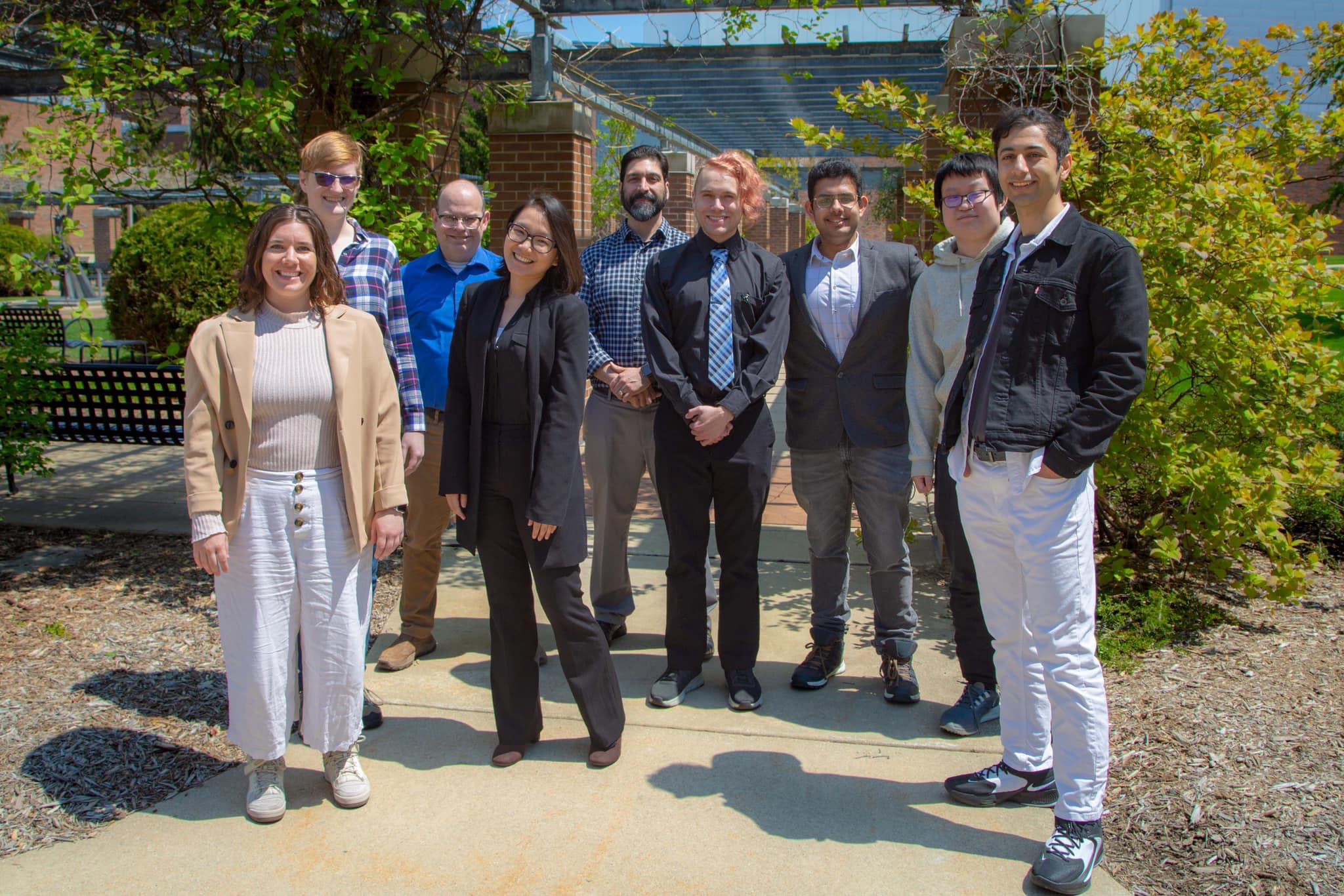
ICER and DMA are proud to introduce this impressive group of fellows. Read on to learn more about each fellow and their research.
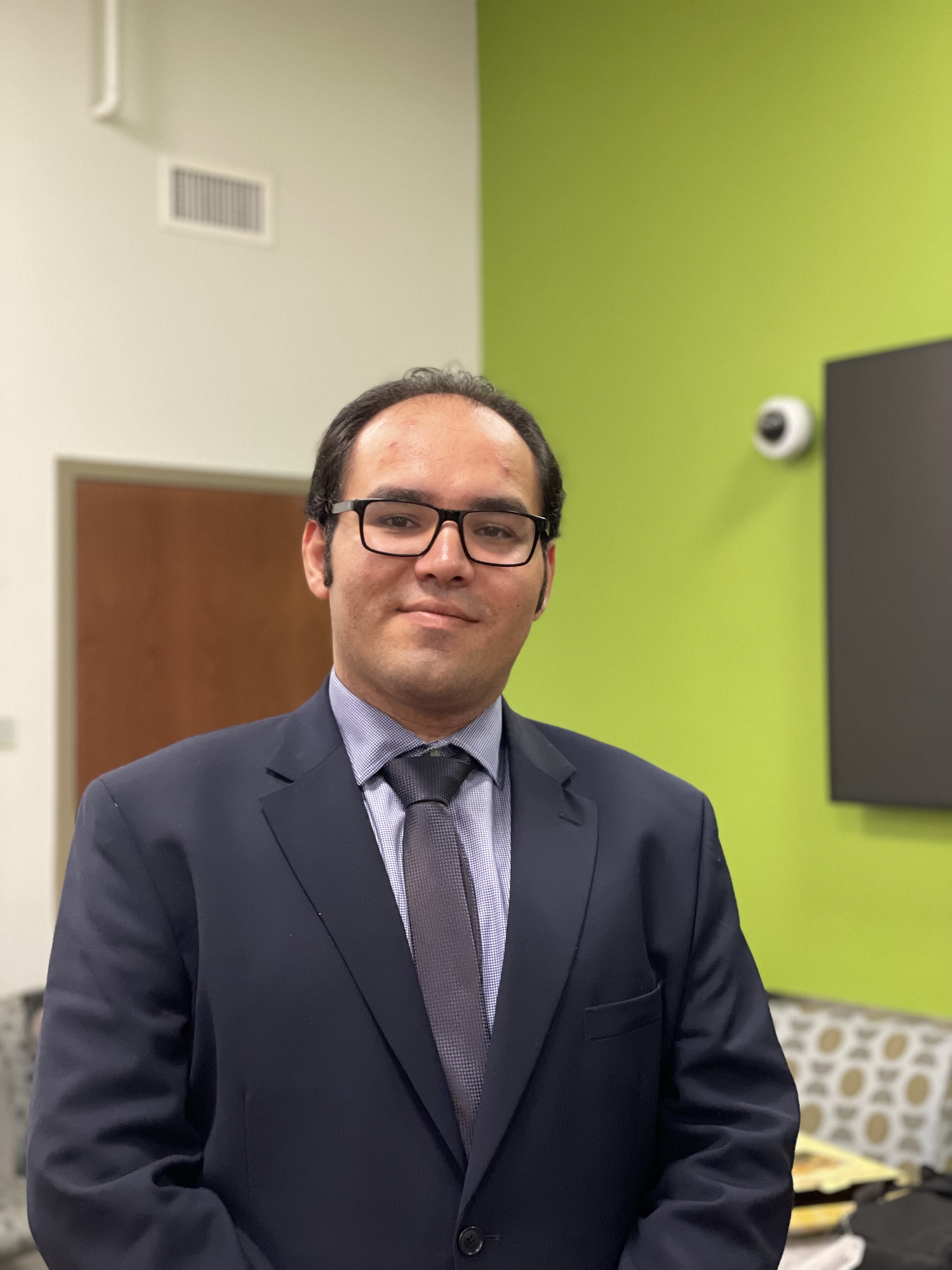 S. Farhad Abdollahi
Department/Unit: Civil Engineering
Research Description: Farhad Abdollahi's research mainly focuses on modeling the pavement structures nationwide by which he can predict the remaining service life of the pavements, different distresses on pavements, etc. These models help to evaluate the cost efficiency of different scenarios of pavement preservation, as well as estimate the associated damage cost caused by each vehicle class to the existing pavements.
Biography: Before joining Michigan State University as a Ph.D. student in the Civil and Environmental Engineering Department, Farhad gained his B.S. in Civil Engineering and M.S. in Pavement Engineering, both at Sharif University of Technology, Tehran, Iran. Farhad's main research area includes pavement analysis and design, viscoelastic materials, and computational modeling. He is currently working on a Federal Highway Administration-funded project for the modeling of numerous pavement structures nationwide.
 Suhwoo Ahn
Department/Unit: Communication
Symposium Talk
Research Description: Suhwoo Ahn's research focuses on citizens' engagement with political information and its impact on their attitudes and behaviors. Recently, he studied how bipartisan messages that emphasize common grounds between Republicans and Democrats influence the favorability of their own political party and animosity toward opposing parties. His work has been published in the Patient Education and Counseling and Journal of Political Marketing.
Biography: Suhwoo is a doctoral student in Communication at Michigan State University. He received his Master of Arts in Communication from Seoul National University and his dual Bachelor of Arts in Mass Communication and Sociology from Sogang University in the Republic of Korea. He is involved in various research projects and teaching undergraduate classes at Michigan State University.
Project Summary: This study investigates how media outlets take their partisan positions in making political news. I collected 598,998 news articles from 32 media outlets in South Korea. I will analyze them using a supervised machine learning technique based on a cloud computing service. I posit that latecomer news outlets might show stronger partisanship than established ones. I will conclude by highlighting implications for theoretical grounds and methodological advances.
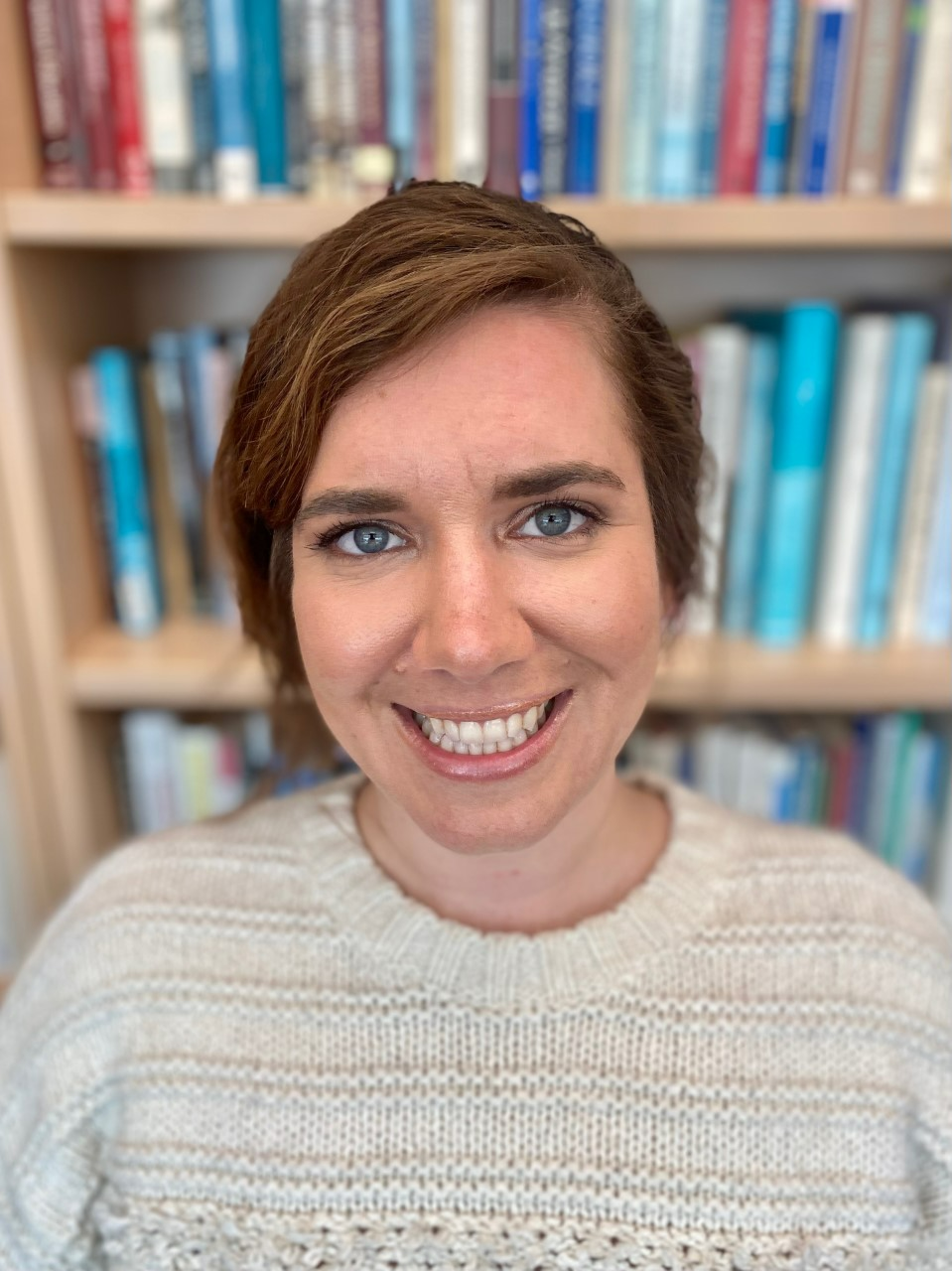 Lydia Bradford
Department/Unit: Measurement and Quantitative Methods
Symposium Talk
Research Description: Currently in Education Research, there has been a push for teacher observations during the testing of interventions to gain insights into the implementation of the intervention on the ground. Often, these observations include lengthy field notes along with a set of scoring guidelines to give the teachers scores within specified categories. Writing observation field notes and then scoring them can be very time-consuming for observers and/or researchers. Lydia Bradford's current project looks to use a variety of machine learning methods to create observation scores from the field notes themselves and then build a tool for researchers to use for scoring observations in their own research.
Biography: Lydia is a fourth-year Ph.D. student in measurement and quantitative methods with interests in statistical modeling and analysis, research design, and causal inference. She graduated from Duke University with a bachelor’s degree in Romance languages and Global Health with a minor in Economics in 2017, where she became interested in research methodology in both public health and economics. After graduating, she was a high school chemistry and economics teacher where she became interested in research methodology in Education Research which eventually led to her beginning her studies at Michigan State University. She hopes to continue research in methodology while working on larger-scale studies as a quantitative methodologist.
Project Summary: Building upon previous research (Bradford, 2022) that trained and compared different machine learning methods to score teacher observations from text to a score of 1-4, this cloud computing project creates the building blocks for an on-demand scoring system for observers using the same observation protocol. The trained machine learning model along with the necessary data preprocessing were registered through azure machine learning. A container was established and is shareable for anyone needing to access the machine learning model to score their observations. The container and access to the machine learning model has been successfully tested and is usable for the researchers currently using the PBL observation protocol.
 Ritam Guha
Department/Unit: Computer Science and Engineering
Symposium Talk
Research Description: Ritam Guha's current research focuses on predictive quality in manufacturing using time-series analysis. Every day, a huge amount of energy and effort gets wasted in manufacturing because the final product does not satisfy the quality requirement in many cases. His research work attempts to predict the quality of the final products based on the simulation of the sensor readings representing the manufacturing process and optimizes the energy utilization to reach satisfactory product quality.
Biography: Ritam received his B.E. degree in Computer Science and Engineering from Jadavpur University, India, and joined the Ph.D. program at Michigan State University after that. His research interests include evolutionary computation, deep learning, multi-objective optimization, AutoML, and many more related fields. When he is not in his lab, he can be found watching animes, playing badminton/table tennis, or driving on speedy highways.
Project Summary: Due to the ongoing global chip shortage, semiconductor manufacturing has gained massive importance in the last few years. The entire semiconductor industry is trying to scale its manufacturing capacity to cater to the needs of the global population. But currently, it suffers from huge wastage in terms of energy and resources because of the lack of recipe optimization. Semiconductor manufacturing processes are typically very long and span around 3-4 days. At the end of the process, if the product does not meet certain quality requirements, the yields are wasted and the process needs to be restarted which leads to huge wastage. So, Virtual Metrology (VM) has gained tremendous popularity as a supporting tool to optimize energy and resource utilization, thereby improving the efficiency of the manufacturing pipeline. VM refers to the automated estimation of the manufacturing properties using the data sensed from the process without physical metrology operations. We have developed a VM pipeline that takes the sensor data from one-fifth of the process run and virtually simulates the rest of the process and predicts the quality of the yields at the end. So, if the predictions do not lead to the expected properties for the yields, the process can be stopped early and restarted to save energy. As a part of the cloud computing fellowship project, I have designed and trying to deploy a web application linked to our pipeline. The application should accept the first few hours of data from the manufacturing run and estimate the final quality of the yields.
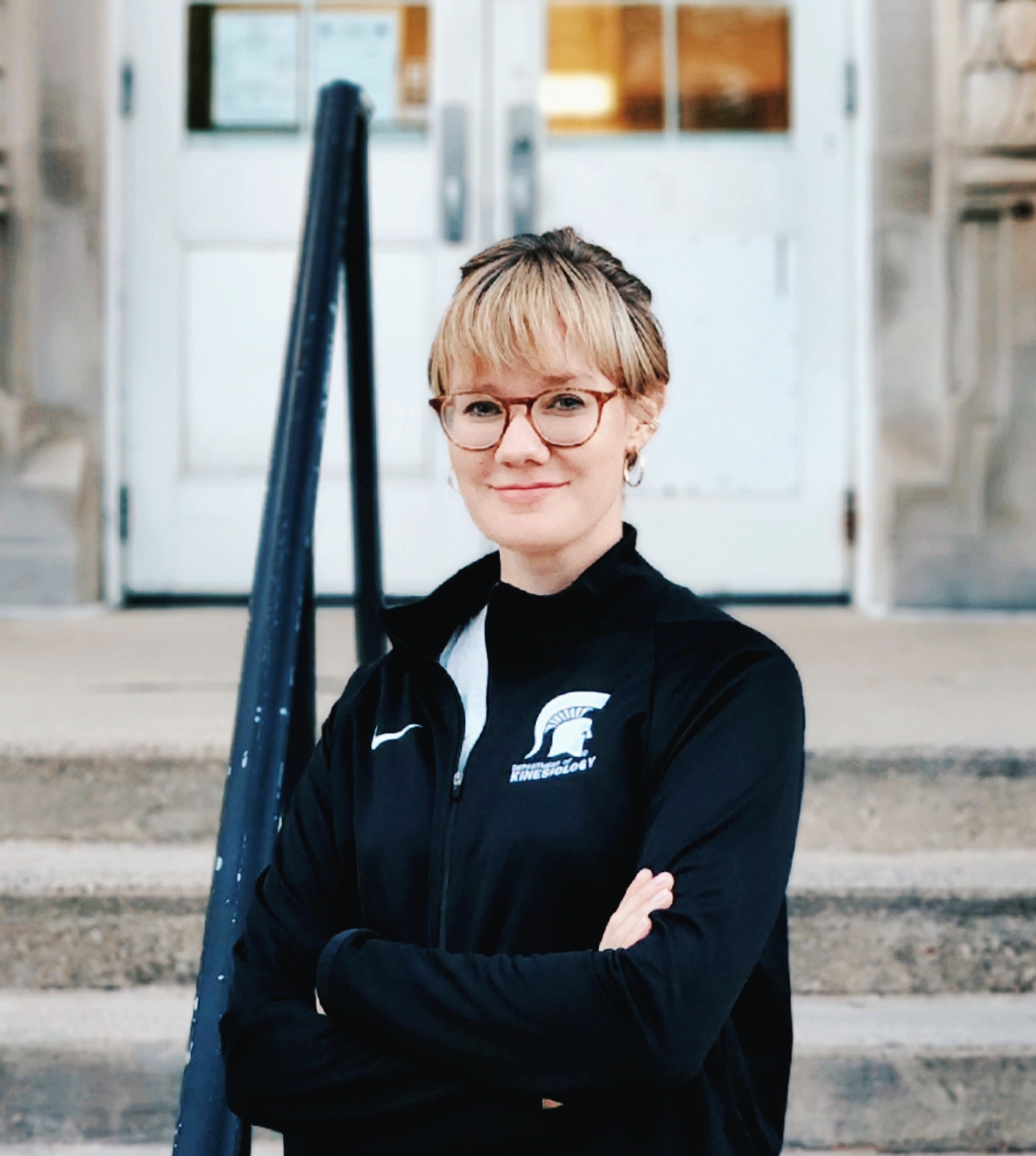 Faith Houck
Department/Unit: Kinesiology
Research Description: Faith Houck's research focuses on improving human performance in professional race car drivers. She aims to combine cloud computing and physiology data to increase human safety measures in motorsport.
Biography: Faith is a second-year Ph.D. student in the Department of Kinesiology. She works in the Spartan Motorsport Performance Lab directed by Dr. David Ferguson. Her research interests focus on improving human performance in professional race car drivers. She aims to combine cloud computing and physiology data to increase human safety measures in motorsport. When not in the lab or at a racetrack, Faith enjoys gaming, reading, or being outside with her dog.
 Sue Lim
Department/Unit: Communication
Symposium Talk
Research Description: Sue Lim's specific research area is at the intersection between human-AI communication, interpersonal communication and health communication. Sue's project will implement cloud computing to evaluate the persuasiveness of health messages generated by natural language processing (NLP) models.
Biography: Sue is a Ph.D. student in the Department of Communication at MSU. She received her B.S. degree from the Wharton School of Business at UPenn and worked as a data analyst at a marketing research company (NAXION) for four years before deciding to pursue her passion for academic research. Her general research interest is in using and developing machine learning, computational, and statistical methods to examine communication phenomena.
Project Summary: With the deployment of ChatGPT in 2022, a significant number of communication researchers have become interested in how to leverage AI for communication research. Azure cognitive services provide opportunities for communication researchers without much programming experience to use AI in their research. In this presentation, I summarize my experience with three different types of cognitive services: computer vision (spatial analysis), Azure’s bot service, and OpenAI services. Due to privacy and other constraints with the MSU Azure account, I could not continue the first two attempts . However, the OpenAI service showed promise. The second half of the presentation illustrates potential use cases of OpenAI services for communication researchers.
 Sarah Manski
Department/Unit: Statistics and Probability
Symposium Talk
Research Description: Sarah Manski's research is in Bayesian statistics. She is currently working on a project focusing on agriculture in the Midwestern U.S. The project aims to quantify the reduction in risk, especially in adverse weather conditions, associated with using regenerative agricultural practices such as rotational diversity, conservation tillage and cover cropping. She plans to integrate cloud computing into this project to expand the scope of this model to additional U.S. states, weather conditions, and soil health practices.
Biography: Sarah is beginning her fifth year in the Ph.D. program in the department of statistics and probability. She has a bachelor's degree in mathematics and computer science from Kalamazoo College and a master's degree in mathematics from Dartmouth College. Her interests are in probability theory, applied Bayesian statistics and statistics education, which are all encompassed in her current research and will form a base for her future career. Outside of academics, she enjoys studying karate, visiting her advisor's sheep farm, and spending time with her partner and their three dogs, a turtle, and a frog.
Project Summary: In developing the largest-scale agricultural modeling effort of its kind encompassing field-level data for nearly one million fields over almost two decades with over 300 associated variables, our data storage structure has outgrown feasibility. For our researchers, using the associated project input and output data is time-consuming, memory intensive, and nearly infeasible for local machines. This project aims to create a comprehensive relational cloud database for all project data to create a reliable, scalable, and efficient storage and query environment.
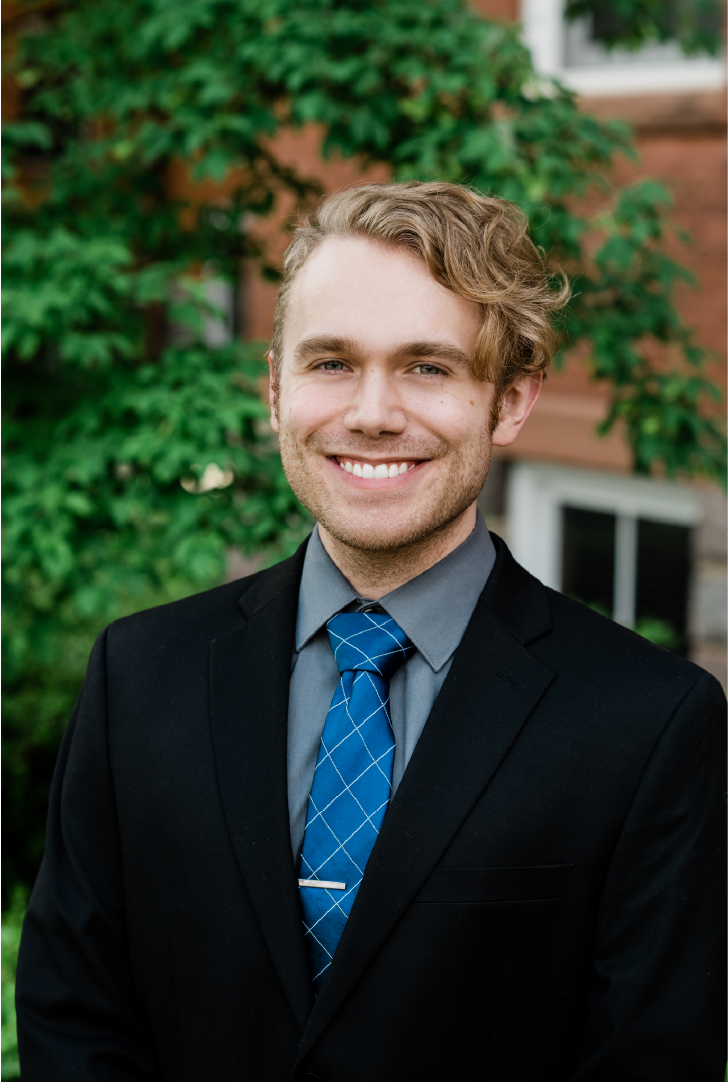 Miles Roberts
Department/Unit: Genetics and Genome Sciences
Symposium Talk
Research Description: Many studies in genetics seek to identify genetic reasons why individuals within the same species differ from each other - for example, finding genetic alterations that increase one person's risk of disease relative to another person. Miles Roberts' research project, in contrast, will be about identifying genetic differences between species that explain differences between those species. This will be useful for understanding the genetic basis of traits in species where it may be difficult to sample many individuals.
Biography: Miles is a third-year Ph.D. student in the Genetics and Genome Sciences Program. His background is primarily in evolutionary biology and he hopes to eventually apply this knowledge to a career in biotech. He spends his spare time exploring local areas and trying to discover the absolute worst movies ever made.
Project Summary: Biologists are fundamentally interested in studying the diversity of life forms on Earth, which can tell us a lot about how different forms evolved and even how they may change into the future. However, current methods for measuring diversity at the genetic level require synthesizing the inputs and outputs of many pieces of sophisticated software. For my project, I created a workflow to turn raw genetic data into diversity measurements with a single command and ran this workflow in the cloud. In the end, I produced a short tutorial on how to run workflows through Microsoft Azure’s Kubernetes Service to help other biologists make their workflows as accessible as possible.
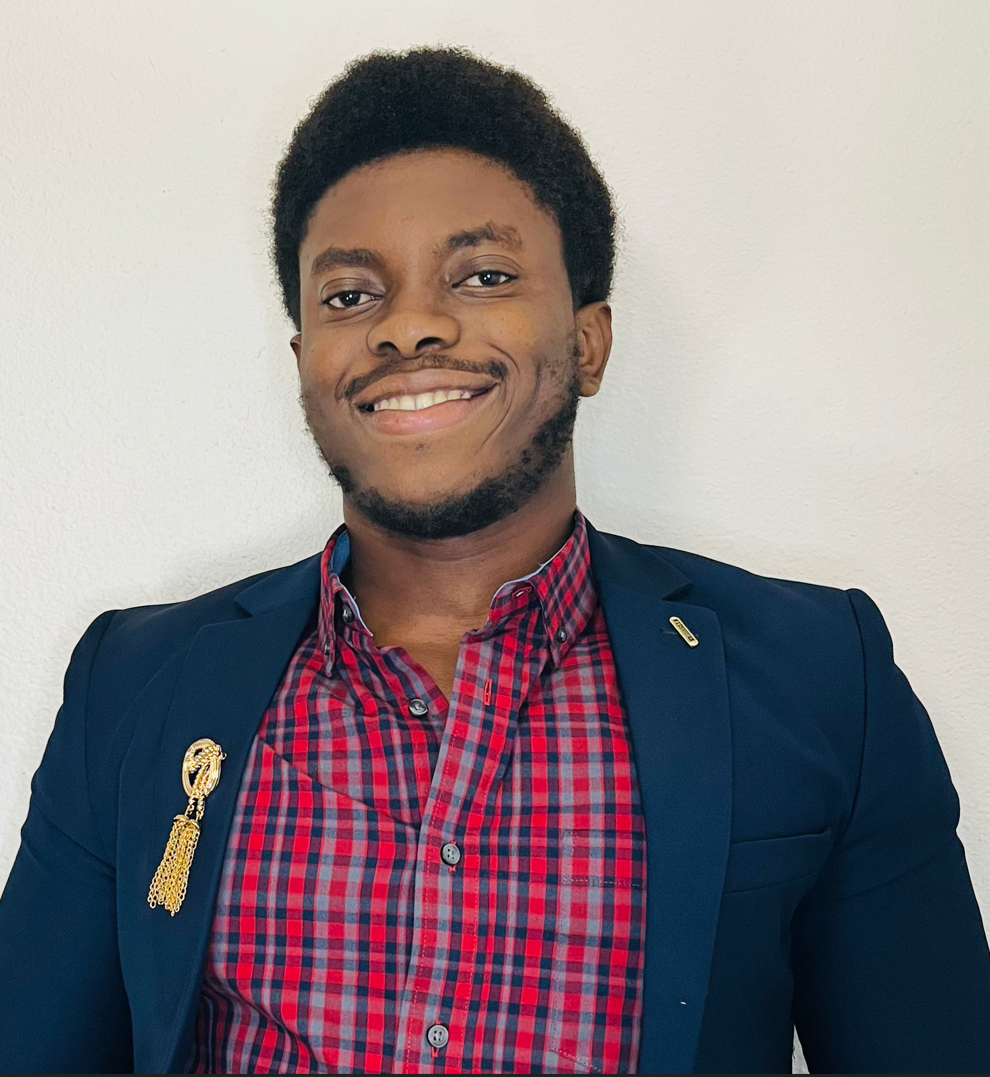
 John Salako
Department/Unit: Earth and Environment Sciences (Geological Science Major)
Symposium Talk
Research Description: John Salakos's research is aimed at understanding and predicting the spatial distribution of tree roots using geophysical tools. This non-invasive approach can reconstruct the roots of orchards (cherries, vineyards, apples, etc.). Knowledge of the spatial distribution of tree roots coupled with remote sensing imagery of the tree canopy will enhance understanding of root and shoot feedback and improve the management of orchards to better cope with climate change. He also aims to quantify carbon stocks in soils and trees in fruit orchards, linking geophysical tools with remote sensing, simulation models, and AI.
Biography: John received his bachelor's degree in Marine Science and Technology from the School of Earth and Mineral Sciences at The Federal University of Technology, Akure, Nigeria. He has working experience in a multinational company (Total Energies), where he served as a Geoscience and Reservoir and HSE Intern during his undergraduate studies. In 2020, he decided to switch carrier paths, moving from geoscience petrology to scientific computing of the earth systems ,focusing on soils and plants. He is currently a master's student in the Basso Computational Agricultural Sciences Lab under the supervision of Prof. Bruno Basso (Earth and Environmental Sciences). John aims to become a geoscience computational system modeler.
Project Summary: In this project, I aimed to optimize the runtime of a machine learning web application I created by utilizing Azure Web Application services. The primary objective was to minimize latency and improve overall performance for end users. By comparing the application’s performance on production web application services against the Dev/Test web service plan, I observed a substantial reduction in runtime delay by over 300% when using the production services. Additionally, it was found that the Azure production web services outperformed the free Streamlit cloud alternative, thus providing a more efficient solution for hosting machine learning web applications. In conclusion, leveraging Azure Web Application services for production environments or upgrading to a more robust architecture in Streamlit can significantly enhance the runtime performance of machine learning web applications.
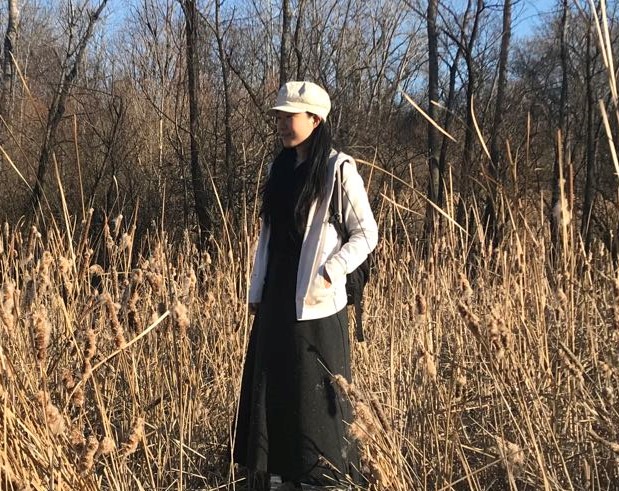 Meicheng Shen
Department/Unit: Geography
Research Description: Meicheng Shen's current project aims to quantify the carbon and/or energy fluxes between the forest and the atmosphere. To simulate the land surface fluxes, her group drives process-based models (or statistical models) with canopy structure or leaf properties derived from multi-platform remotely sensed datasets. By studying the linkage between the forest structure and photosynthesis at the canopy scale in various climatic/abiotic conditions, she wants to understand how well they can model canopy photosynthesis with recently released remotely sensed datasets and how forest canopies may respond to the changing climate.
Biography: Meicheng is a Ph.D. student at the ERSAM lab affiliated with the Department of Geography. Her interest lies in the nexus of forest ecology and remote sensing. With more and more datasets published, she wants to explore the framework to integrate multi-source data with process-based and/or statistical models to understand how forests function as a carbon sink in the changing climate. During her spare time, she enjoys wandering in the woods or exploring historical architecture in nearby cities.
Project Summary: More and more observation datasets from the space are available to learn the land surface patterns and related ecological processes. However, processing large datasets are technical, which makes it valuable to develop sharable tools to overcome the technical barrier and advance the scientific understanding. Here, I want to develop a container that can derive canopy structural traits from discrete lidar point clouds.
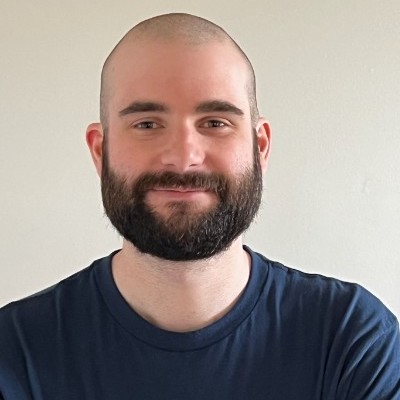 Adam Terwilliger
Department/Unit: Computer Science
Research Description: Adam Terwilliger is focused on developing an AI mechanic which can understand and characterize vehicles through sound via deep learning. He also works in generative modeling and acoustic synthesis to improve data augmentation, video games, and the metaverse. He hopes his work can one day be deployed as a mobile app that anyone can use to diagnose problems with their vehicle.
Biography: Adam received bachelor's degrees in Computer Science, Mathematics, and Statistics from Grand Valley State University in 2017 and a master's degree in Computer Science from Michigan State University in 2019. He is currently a Ph.D. candidate in the DeepTech laboratory headed by Dr. Joshua Siegel. Adam will be pursuing teaching-focused positions in academia after his Ph.D. In his free time, he enjoys supporting Detroit/MSU teams, fantasy sports, board games, MOOCs, running, and biking.
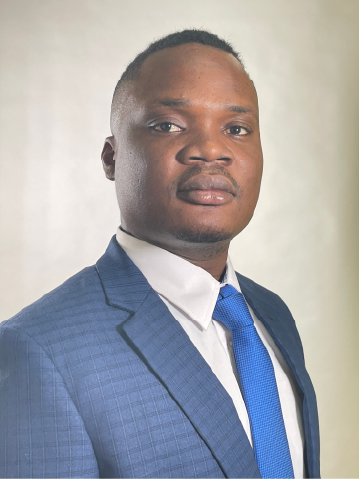
 Alfred Torsu
Department/Unit: Political Science
Symposium Talk
Research Description: With a robust identification system (Ghana card) now in place, Alfred Kwadzo Torsu's research argues that the time is up for Ghana to leverage cloud computing for internet voting (I-Voting). This will not only promote faster collation and delivery of election results but also provide another medium for those who do not want to visit the polling station for a host of reasons and even for citizens who are not presently in the country.
Biography: Alfred is a second-year MPP student at Michigan State University. He is also a research assistant at Afrobarometer’s analysis unit based at MSU. His policy interest revolves around public finance, taxation, and electoral management. He holds a B.A. in Political Science from the University of Ghana, Legon. Alfred is from Ghana and intends to continue his work toward building equitable communities there and throughout Africa after he graduates.
Project Summary: The analysis of unstructured data has long been a time-consuming task for social scientists, requiring extensive reading and analysis to identify core themes and messages. However, recent advancements in cloud computing and the Azure platform have provided pre-built resources for machine learning, enabling the collection of insights from unstructured datasets with greater ease and efficiency. This project highlights the benefits of utilizing these resources, particularly in the analysis of news headlines, presidential speeches, and public policy-related tweets. By utilizing machine learning techniques, social scientists can gain valuable insights from large datasets, allowing for more informed decision-making and policy implementation.
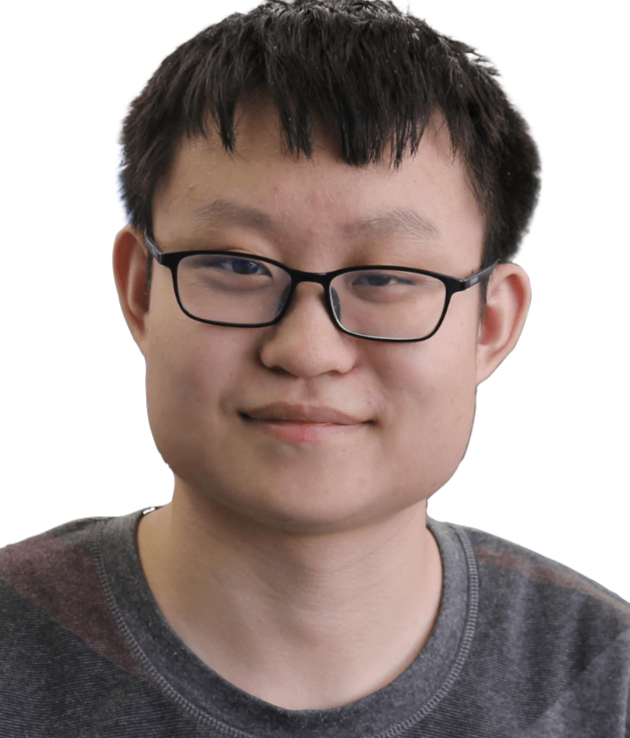 Ziyi Xi
Department/Unit: CMSE
Symposium Talk
Research Description: Ziyi Xi's main research area is computational seismology. He works on seismic phase (seismic signal along specific propagation path) detection using deep learning techniques in Tonga and Full-waveform tomography of East Asia and West Pacific, trying to develop refined Earth's velocity structure model.
Biography: Ziyi graduated from the University of Science and Technology of China and earned his B.S. in geophysics and B.E. in computer science. He is currently a fifth-year Ph.D. student in the department of Computational Mathematics, Science and Engineering with Dr. Shawn Wei as his mentor. He is passionate about the broad application of machine learning in science and industry and is willing to pursue related R&D roles in the future.
Project Summary: The demand for accurate and comprehensive earthquake catalogs necessitates efficient and scalable methodologies. In response, we developed a cloud computing workflow using Kubeflow on Azure Kubernetes Service (AKS) to generate earthquake catalogs from archived time-series seismograms. The workflow combines deep learning-based models with traditional geophysical algorithms, providing a scalable and cost-effective solution for processing large volumes of data. Kubeflow on Azure ensures efficient task management through Kubernetes and offers containerbased components for easy maintenance. Object storage is utilized for handling archived seismograms and temporary files, while the output earthquake catalog contains information on occurrence time, location, and phase arrival time. Our cloud-based approach demonstrates superior performance compared to traditional supercomputers in terms of efficiency and scalability. By harnessing cloud computing, this project revolutionizes earthquake catalog generation, delivering accessible and scalable solutions for seismic event analysis and contributing to our understanding of Earth’s dynamics.
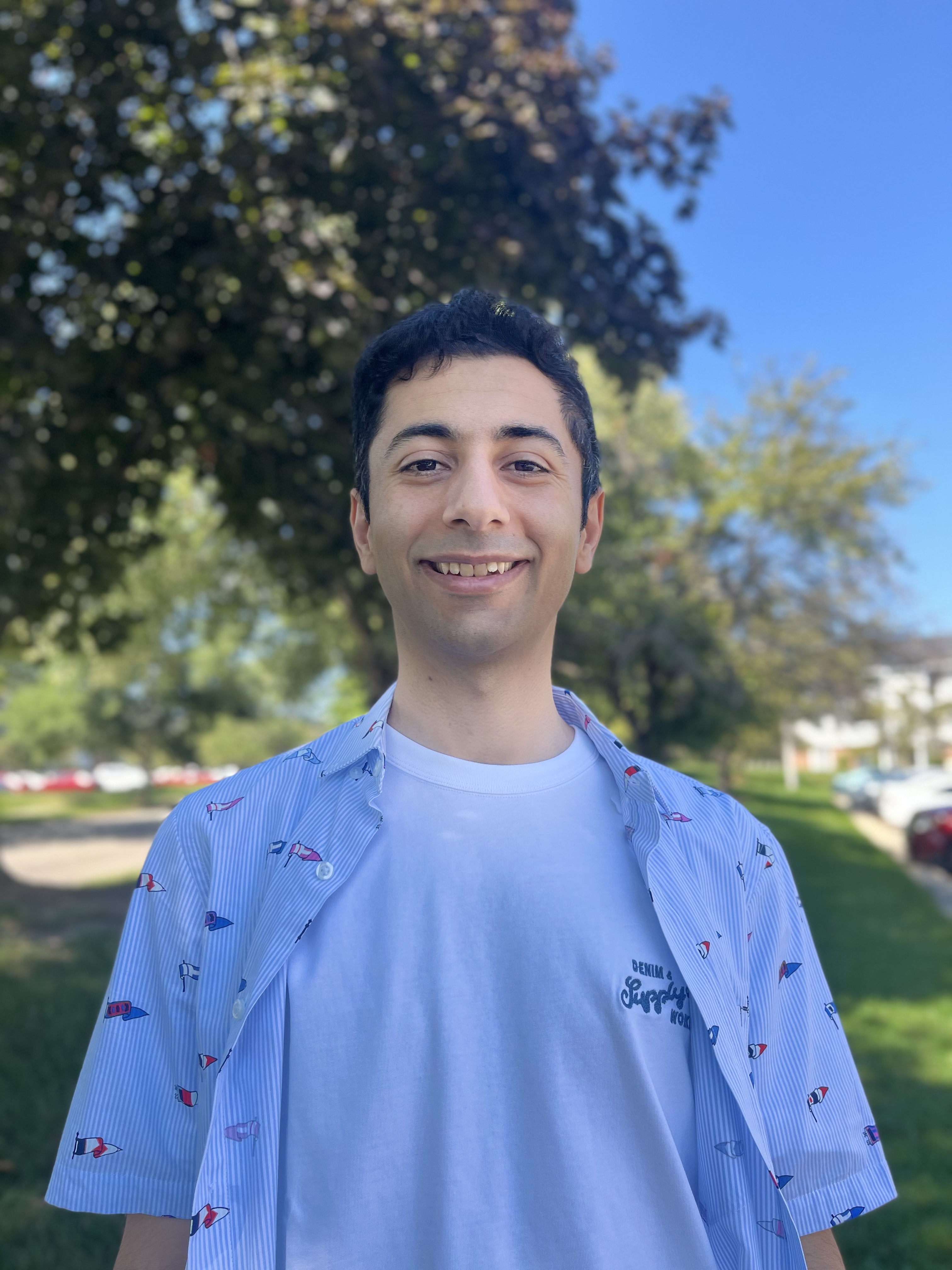 Arash Yunesi
Department/Unit: Statistics and Probability
Symposium Talk
Research Description: Arash Yunesi is working on the interdisciplinary research area between statistics, computational mathematics, and biology. Arash's group is working on single-cell RNA sequencing to identify genes and make exciting discoveries about cellular behavior using Deep Learning techniques. These discoveries will help in the near future to find more effective cures for cancer and other genetic diseases.
Biography: Before starting his Ph.D. in Statistics and Probability at MSU, Arash received another Ph.D. in Theoretical High Energy Physics from Florida State University. Even though physics will always have a special place in his heart, he has found his new research very fulfilling as it can increase the health and longevity of almost all the taxpayers that are funding his research. In his free time, Arash usually goes jogging and biking around campus and also on the Lansing River trail.
Project Summary: In this project I will demonstrate the power of cloud computing in cancer data analysis, specifically in Single Cell RNA Sequencing. The scalability and possible HIPPA compliance of cloud architecture when hosted in a secure facility enables the safe processing of individual patient data. In near future these results will enable pharmaceutical companies to produce patient-specific drugs for cancer.
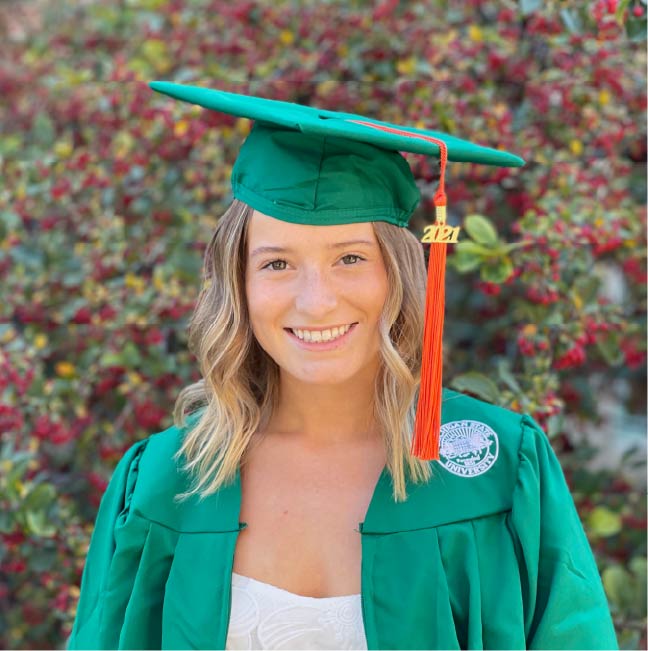

 Chenyang Deng
 Graham David Diedrich
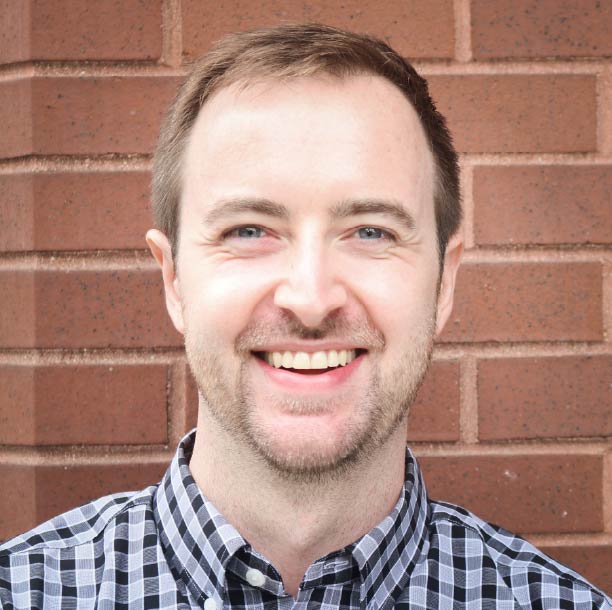 Mike Frazier
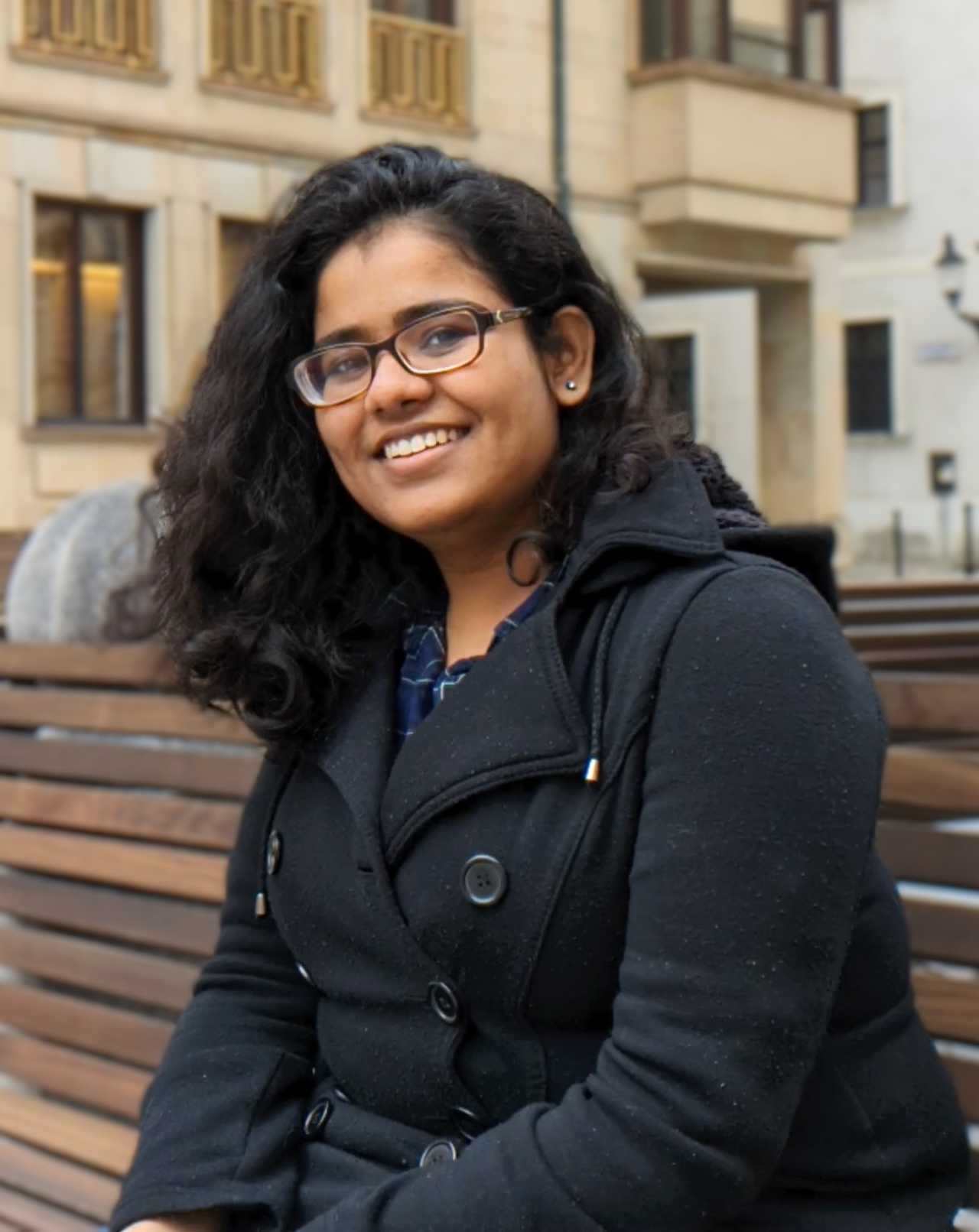 Ishika Ghosh
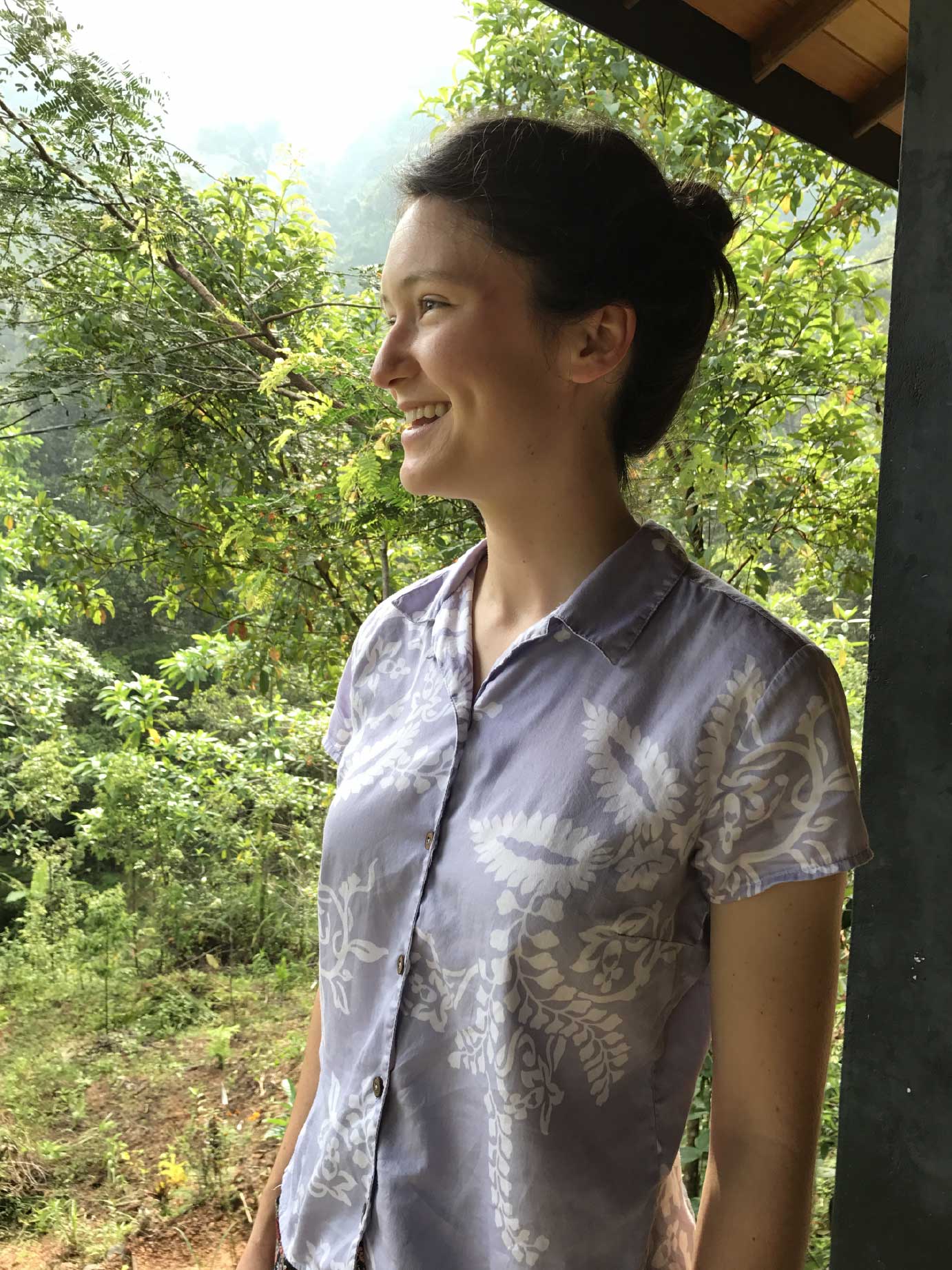 Juliana Reed Burroughs Hanle
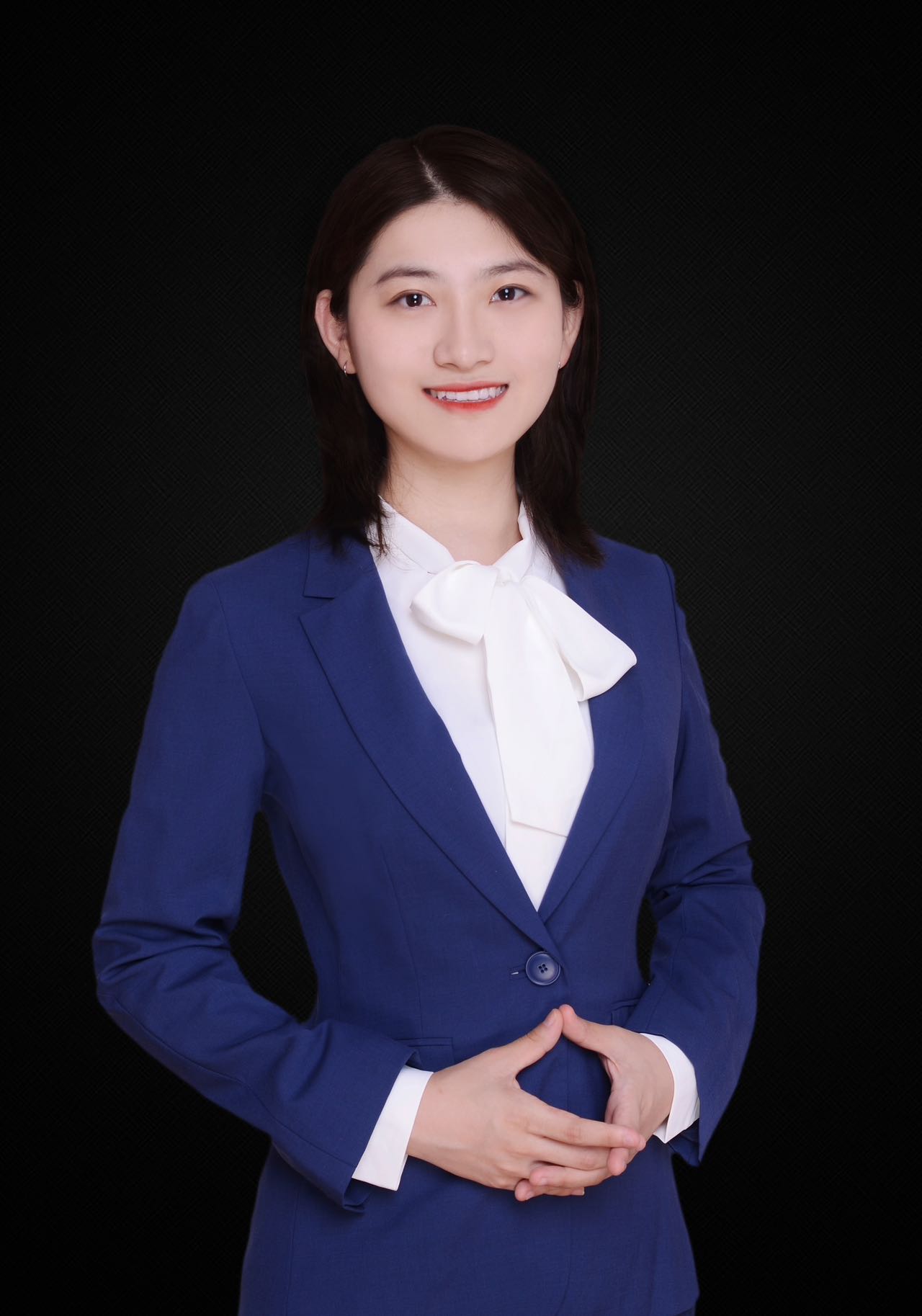 Nan Jia
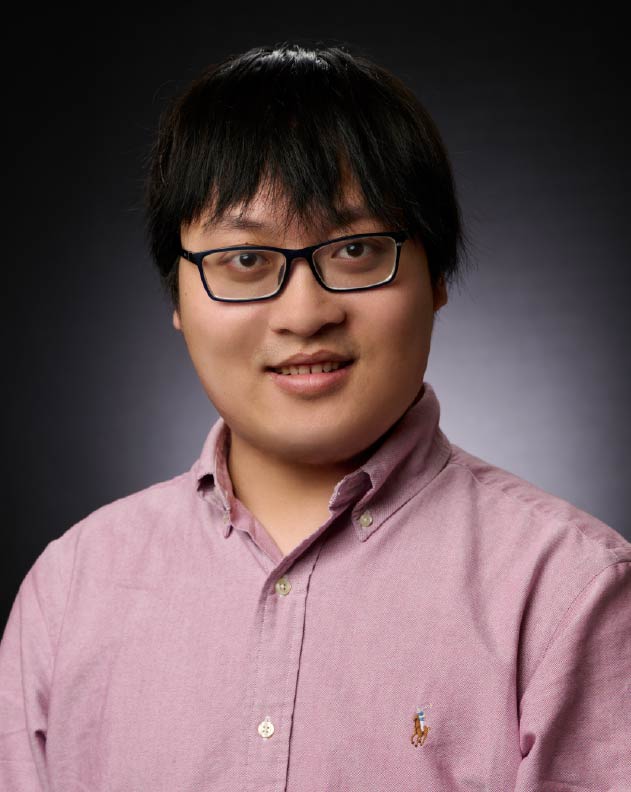 Xin Lan
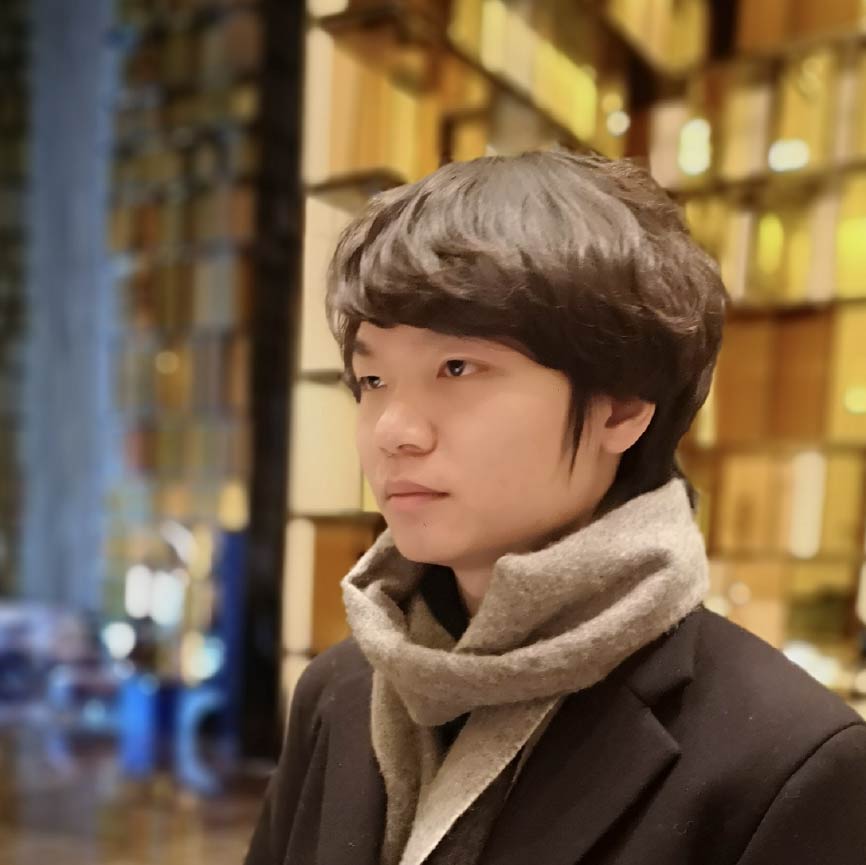 Jiancheng Liu
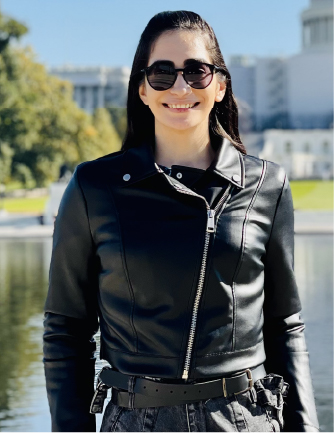 Fatemeh (Fatima) Fathi Niazi
 Monique Nidra Noel
 Ojo Olorunsogo Paul
 Avirup Roy
 Brandon Michael Webster
 Yaxuan Wang
 Han Xu