In 2005, the organization that became the Institute for Cyber-Enabled Research (ICER) turned on its first systems at Michigan State University to help researchers accelerate their discoveries. In 2025, ICER is proud to support thousands of users from diverse fields with our wide range of computing and support resources.
MSU’s Supercomputer Celebrates 20 Years of Accelerating Research
Click above to watch ICER's hype reel celebrating the 20th anniversary, new cluster, and new liquid cooling system.
Research that would take thousands of years to complete can be completed in weeks by leveraging the power of a supercomputer.
The supercomputing center at MSU, named the Institute for Cyber-Enabled Research (ICER), accelerates computational research with a bold philosophy: to maximize the 'kilo-sciences per second' - the term ICER affectionately uses to describe supercharging the pace and impact of research across disciplines.
20th Anniversary Event
On February 26, 2025, ICER celebrated the 20th anniversary of enabling researchers to accelerate their discoveries with MSU's supercomputer. When its first supercomputer powered up in 2005, it was cutting-edge. Today, that throughput would be less than one PlayStation 5.
By 2009, the name ICER was coined to reflect the inclusion of research consultants designated to help users with the supercomputer.
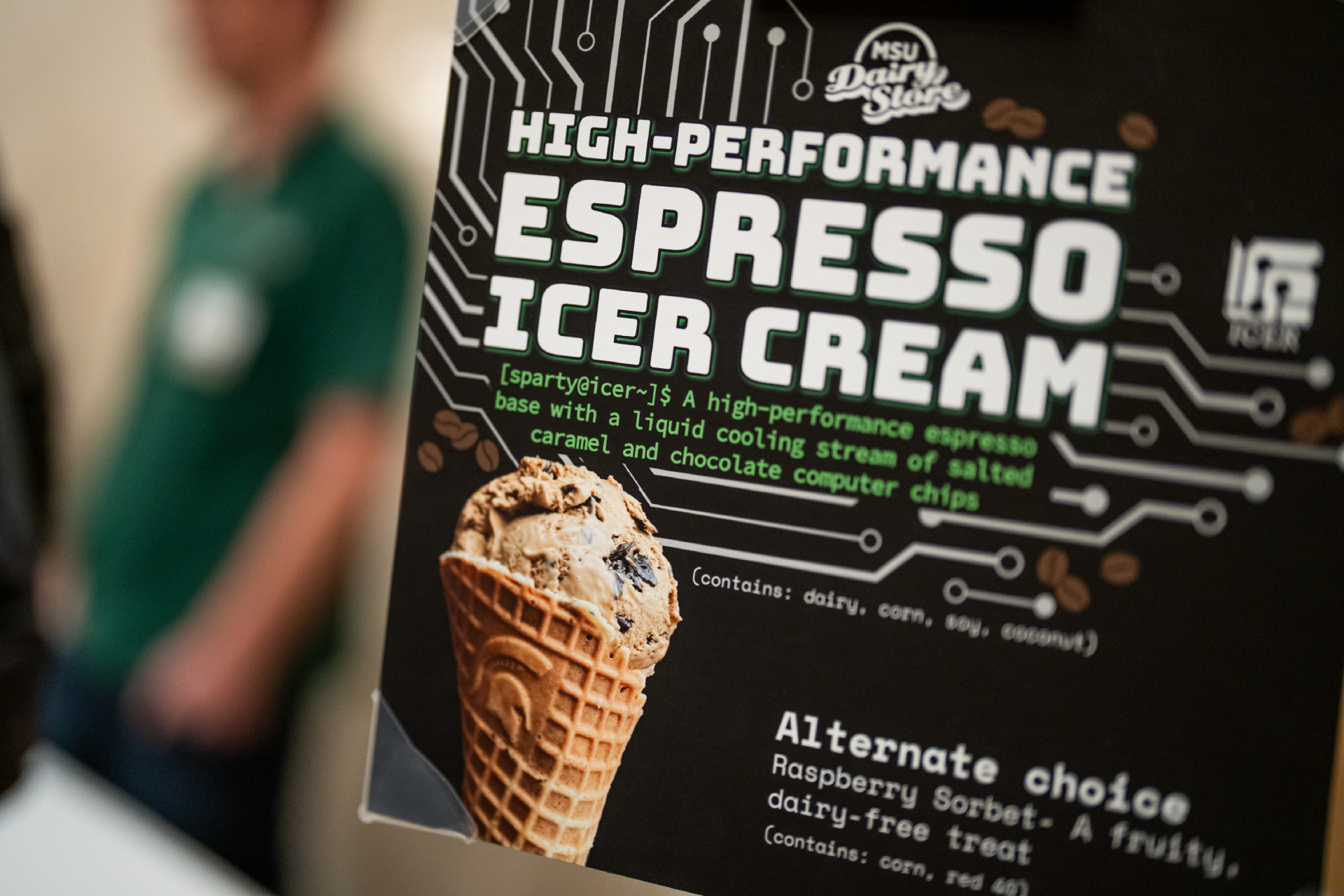
With a name like ICER, what better way to celebrate than with ICER Cream? The anniversary event included an MSU Dairy Store collaboration flavor named High-Performance Espresso ICER Cream, which contained a stream of liquid-cooling caramel and chocolate computer chips. A 3D timeline was on display to show the growth of ICER's computing and support resources over the past 20 years, and a poster session highlighted the transformative research conducted with the supercomputer.
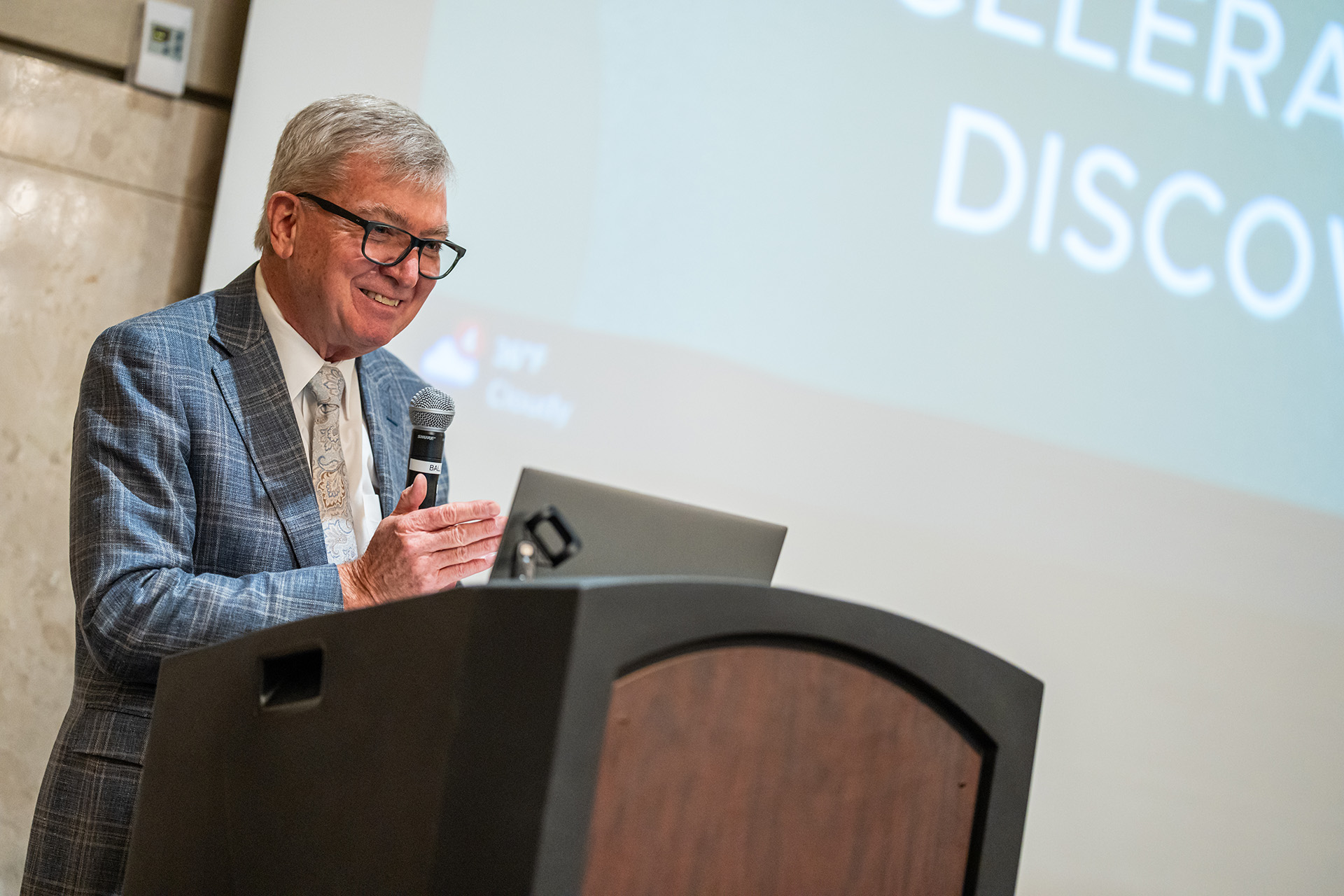
Speakers presented at the event to highlight the past, present, and future of ICER. Dr. Doug Gage, vice president for research and innovation, led the presentations by highlighting the importance of high-performance computing at MSU.
"The benefits that high-performance computing has had on Michigan State University's research and innovation are truly remarkable," said Gage. "There is a vital need for these cutting-edge computational resources, empowering students, faculty, and researchers across disciplines to accelerate their discoveries. While the future is unfolding rapidly before us, this event gives us just the right moment to pause, appreciate, and reflect on how far ICER has come in 20 years."
Andy Keen, ICER’s lead system administrator who has been with ICER since the beginning in 2005, and Dr. Dirk Colbry, ICER’s director of user support who started as an ICER user in 2005, followed Gage with stories and anecdotes about the history of ICER.
Supercomputing at MSU
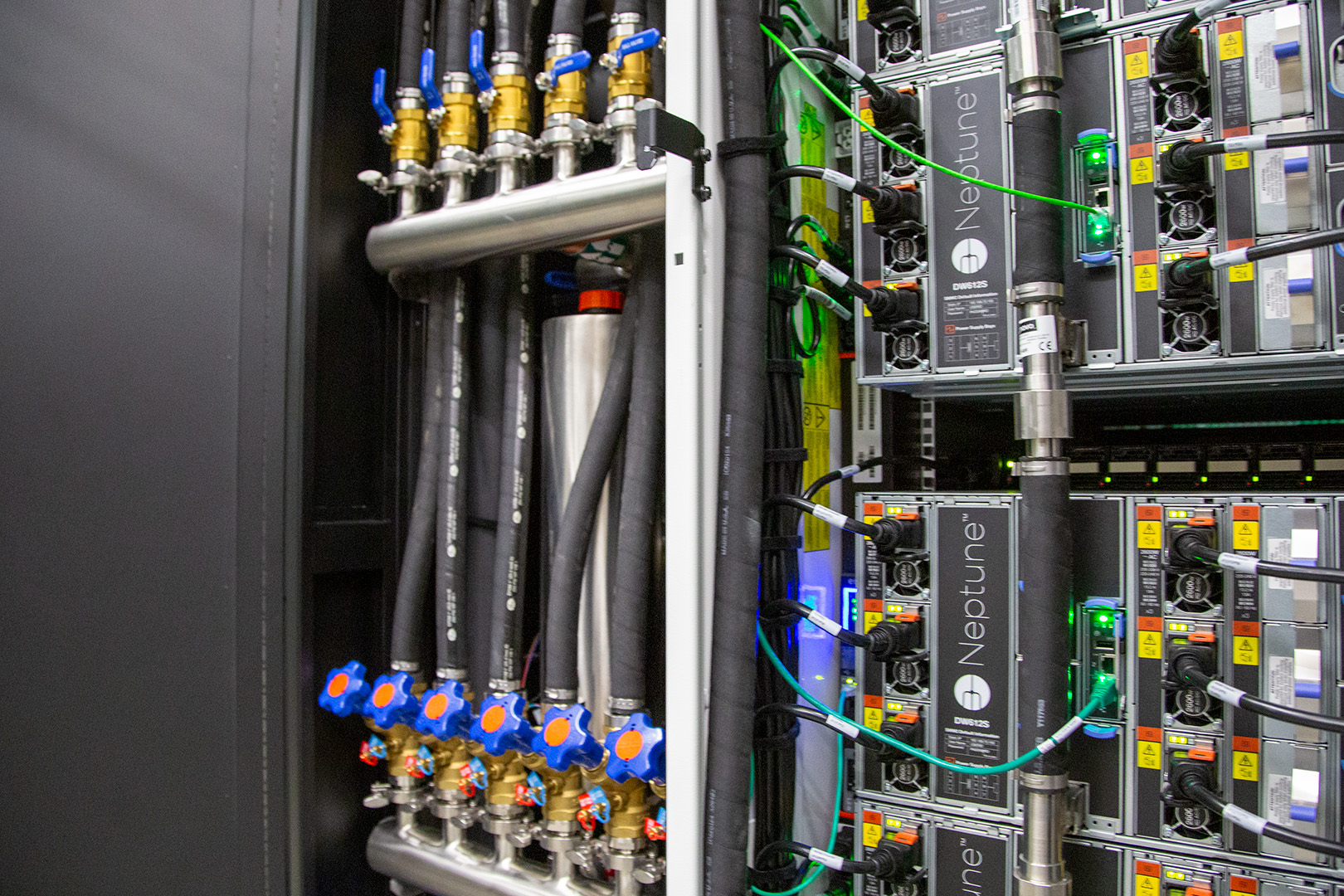
At MSU, the supercomputer refers to the high-performance computing center (HPCC) housed by ICER in a building called the data center. At the data center, tall stacks of computer hardware are lined up in rows filling a large room. Computer chips work in parallel to accomplish many tasks simultaneously.
Thanks to the new 2025 hardware cluster, the current throughput of the supercomputer is double what it was in 2020. However, the physical space occupied by the hardware is smaller. This increase in hardware density necessitated a new liquid cooling system capable of regulating the temperature more efficiently than air cooling.
Safely bringing liquid cooling to the data center was a significant, multi-year effort that will pay dividends in energy efficiency and propel MSU into the future of what is possible with supercomputing technology.
Featured Research
Computational researchers at MSU and partner institutions across Michigan use ICER’s supercomputer to improve our world.
The research conducted includes improving crop yield, creating sustainable batteries, uncovering the mysteries of human memory, modeling supernova, and developing digital immune systems capable of evolving on their own.
The researchers come from medicine, education, natural sciences, arts, business, agriculture, engineering, and over 150 other units from MSU’s campus and partner institutions.
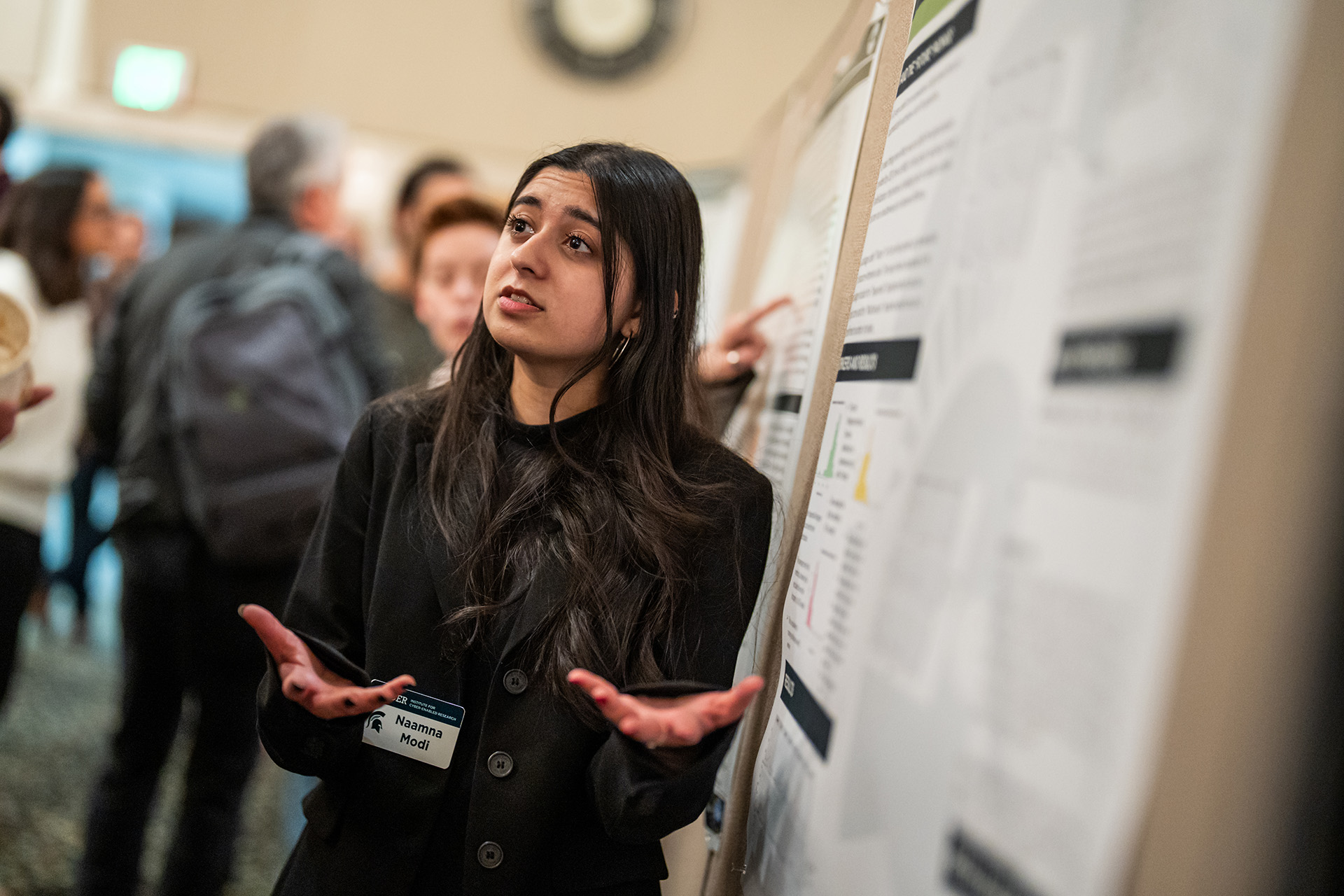
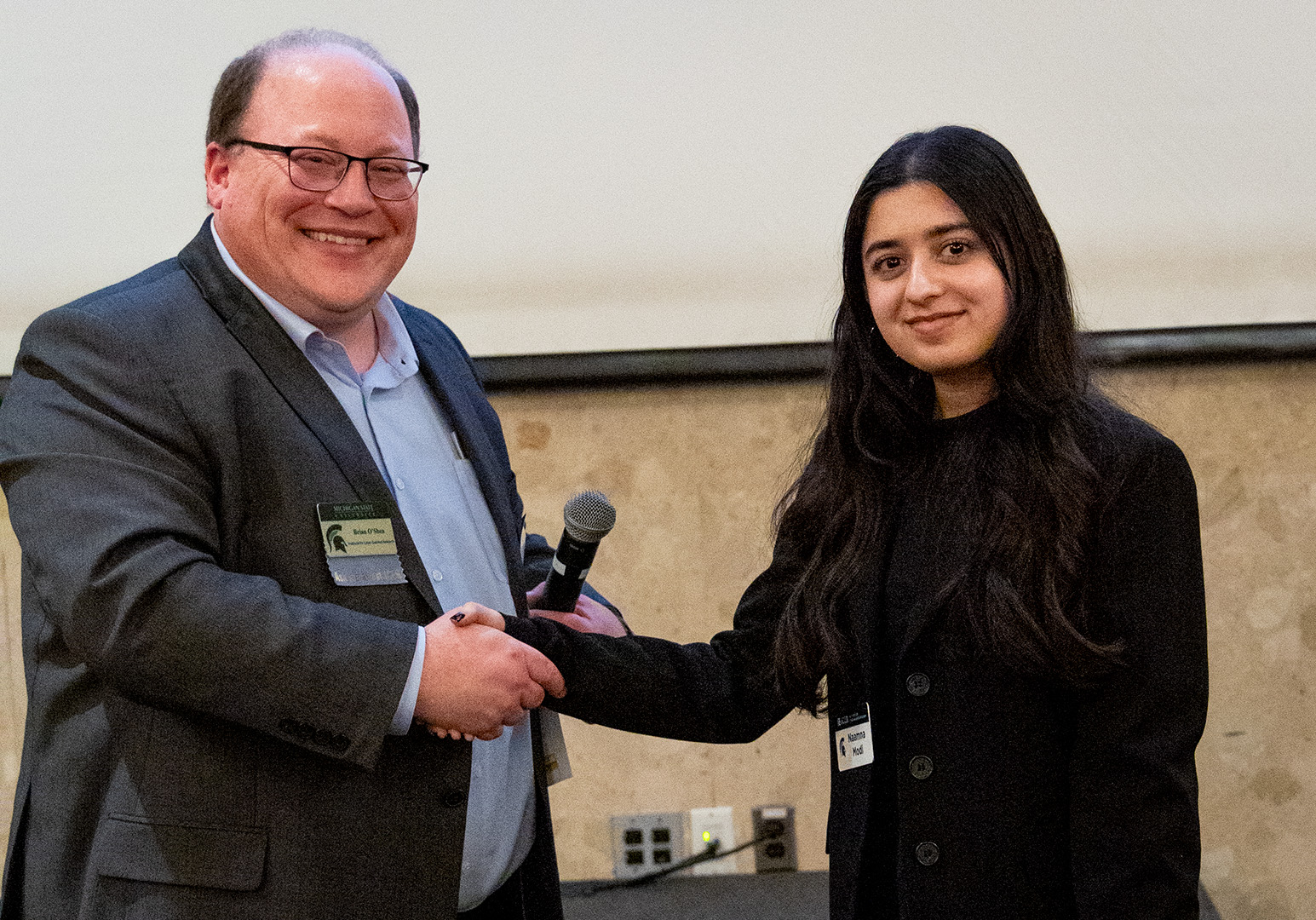
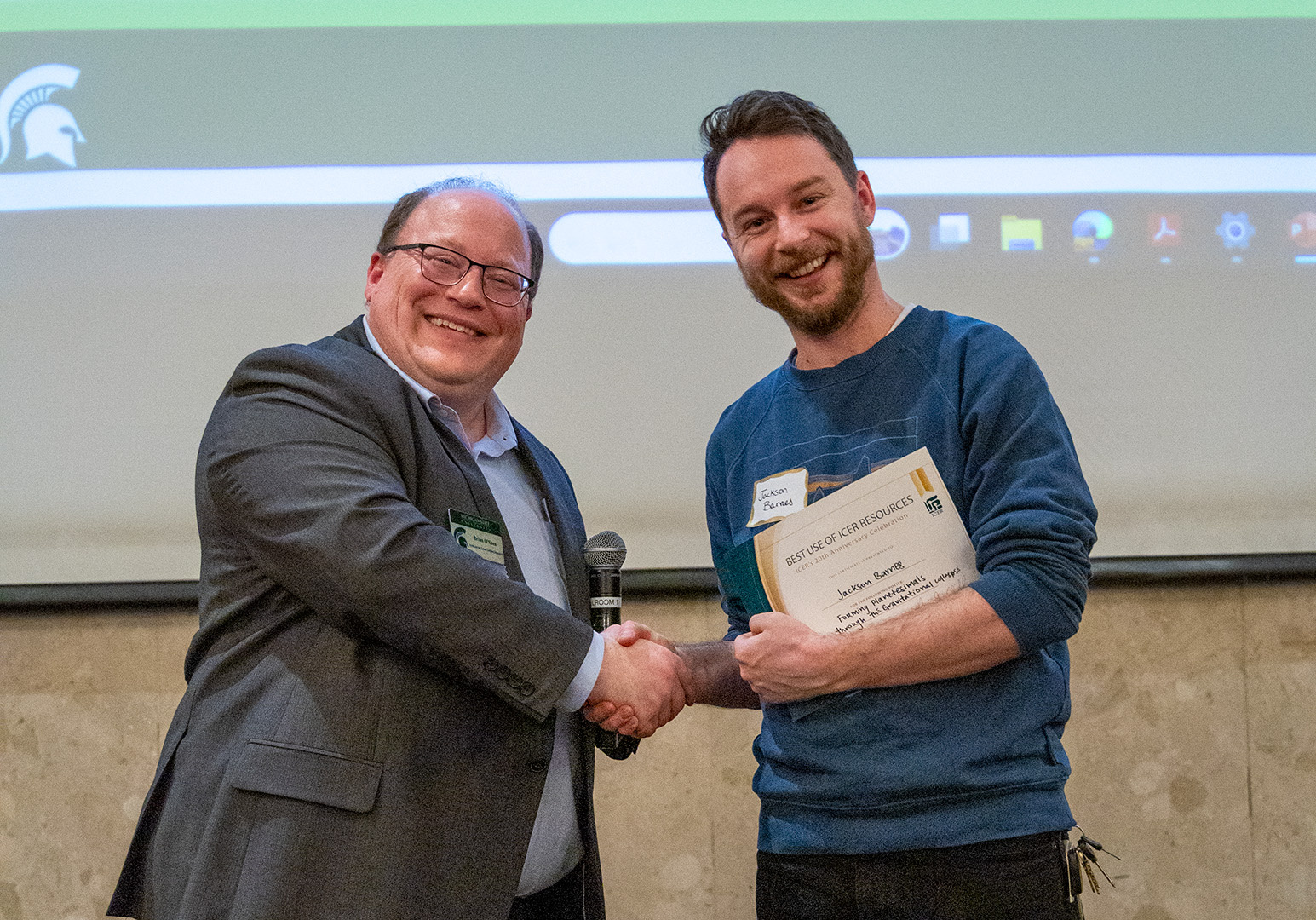
Votes were cast by attendees of the anniversary event poster session. Naamna Modi won “Best Poster Presentation” for her poster titled “Benchmarking Parallel Code Using R”. Jackson Barnes won “Best Use of ICER Resources” for his poster titled “Forming planetesimals through the gravitational collapse of pebble clouds.”
Two ICER users were among the speakers at the event. Dr. Grace Smith-Vidaurre, a member of the 1855 Professorships Initiative from the Office of the Provost, shared a presentation about her research aiming to gain new insights into the diversity of information that animals communicate through vocal signals.
Dr. Joey Rodriguez, a professor in the Department of Physics & Astronomy, discussed his research group’s focus on understanding how planets form and evolve by studying exoplanets, planets that orbit stars other than the Sun, and the disks of gas and dust that they form within.
Future of ICER
Just as computers were once new but are now ubiquitous in virtually all fields of study, the same is predicted to be true for supercomputers. However, in some scholarly areas, there is no preexisting culture around high-performance computing in research. It can be more difficult for scientists in these areas to use supercomputing.
ICER Director Dr. Brian O’Shea spoke about the future of ICER at the 20th-anniversary event, noting that propelling MSU into the future of research computing means reducing the barriers to entry and making it more accessible to all academic backgrounds with easier-to-use software and a plethora of support options.
Another significant consideration is energy efficiency. Running a data center consumes a substantial amount of electricity to power and cool the computers within it. Hardware designed for AI applications is particularly power-hungry.
ICER is committed to reducing the climate impact of MSU’s supercomputer by making energy efficiency a key factor when purchasing hardware to meet the growing breadth of researchers’ needs. The new liquid cooling system is a critical component in reducing the energy expenditure necessary to maintain the operating temperature of the hardware to prevent overheating.
The utilization of the hardware is equally important for efficiency. If a researcher communicates inefficiently with the supercomputer, it can result in an unnecessary workload for the hardware. Part of ICER’s support services will include educating researchers about techniques for accomplishing their work in a way that minimizes climate impact.
Supercomputing pushes the boundaries of what was thought to be possible with computational research. Years of scientific investigation can now be calculated in days. The team behind MSU’s supercomputer are leaders in supporting researchers to increase their kilo-science per second output to better understand ourselves, our world, and our universe.
Showcased Research
During ICER's 20th anniversary event, a poster session highlighted the incredible research conducted using ICER resources.
Poster Presentations
WINNER, Best Poster Presentation: Naamna Modi
Benchmarking Parallel Code Using R
WINNER, Best Use of ICER Resources: Jackson Barnes
Forming planetesimals through the gravitational collapse of pebble clouds
Yemeen Ayub
Topological Deep Learning for Plant Leaf Classification
Yurong Zhang
Unveiling Earth’s Secrets: 3D P-Wave Attenuation in the Tonga-Lau Subduction zone
Leah Terrian
Cell Populations and Transcriptomes Differ Across Blood Pressure and Sex in Perivascular Adipose Tissue: A Single-Nuclei RNA Sequencing Study
Gabriel Nathan
Solar System formation simulations constrain the composition and timing of delivery of the Earth's building blocks
Eleanor S Carr
Identifying Genetic Regulators for Photoperiod in S. tuberosum and Relatives
Keji Yuan
Application of a metabolic network-based graph neural network for the identification of toxicant-induced perturbation
Mushal Zia
Persistent Directed Flag Laplacian (PDFL)-Based Machine Learning for Protein–Ligand Binding Affinity Prediction
Meicheng Shen
How much canopy complexity do we need for simulating canopy reflectance?
Jose Mendoza
A Novel CNN Filter Inspired by Order Theory
3D Timeline Featured Research
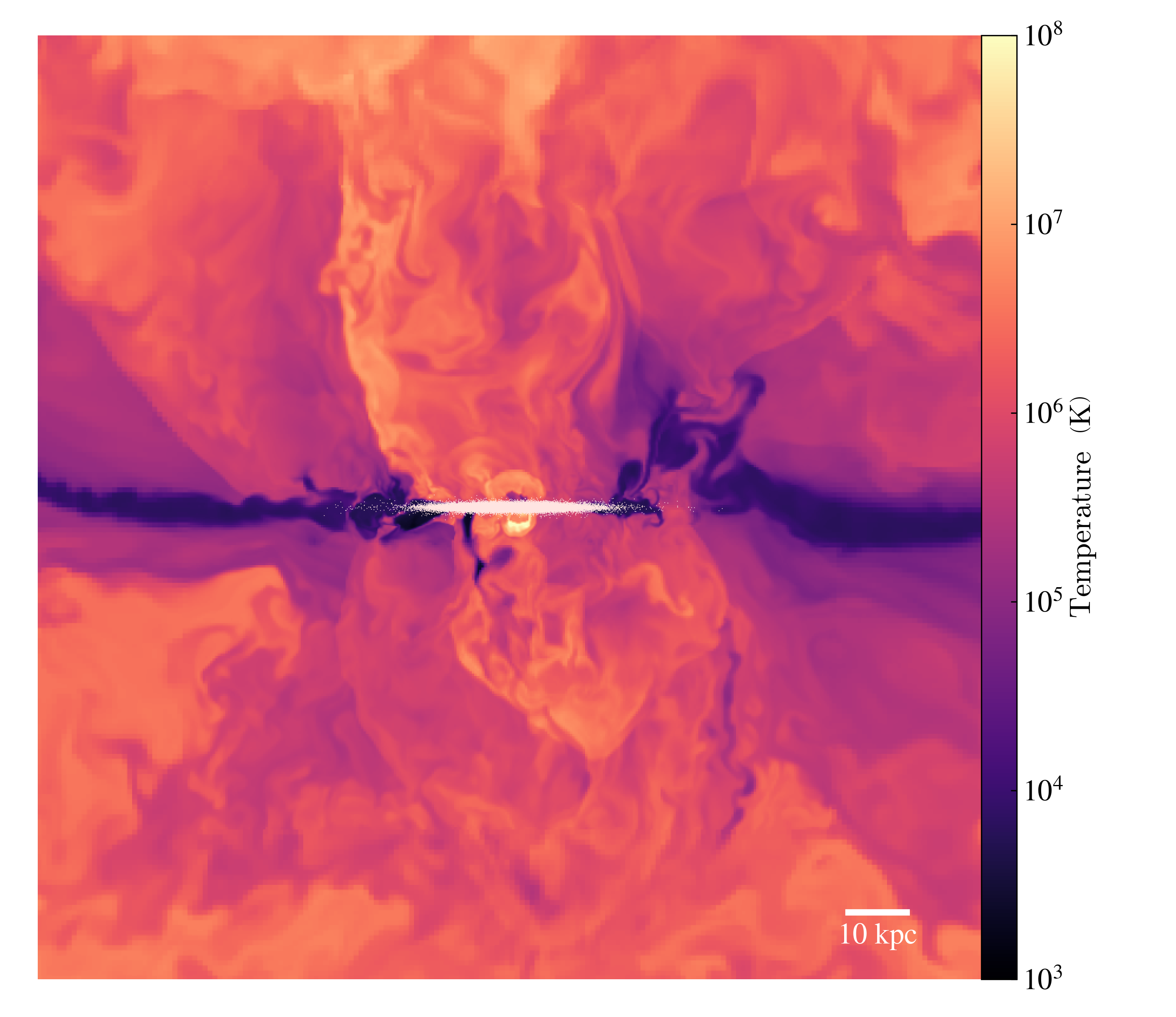
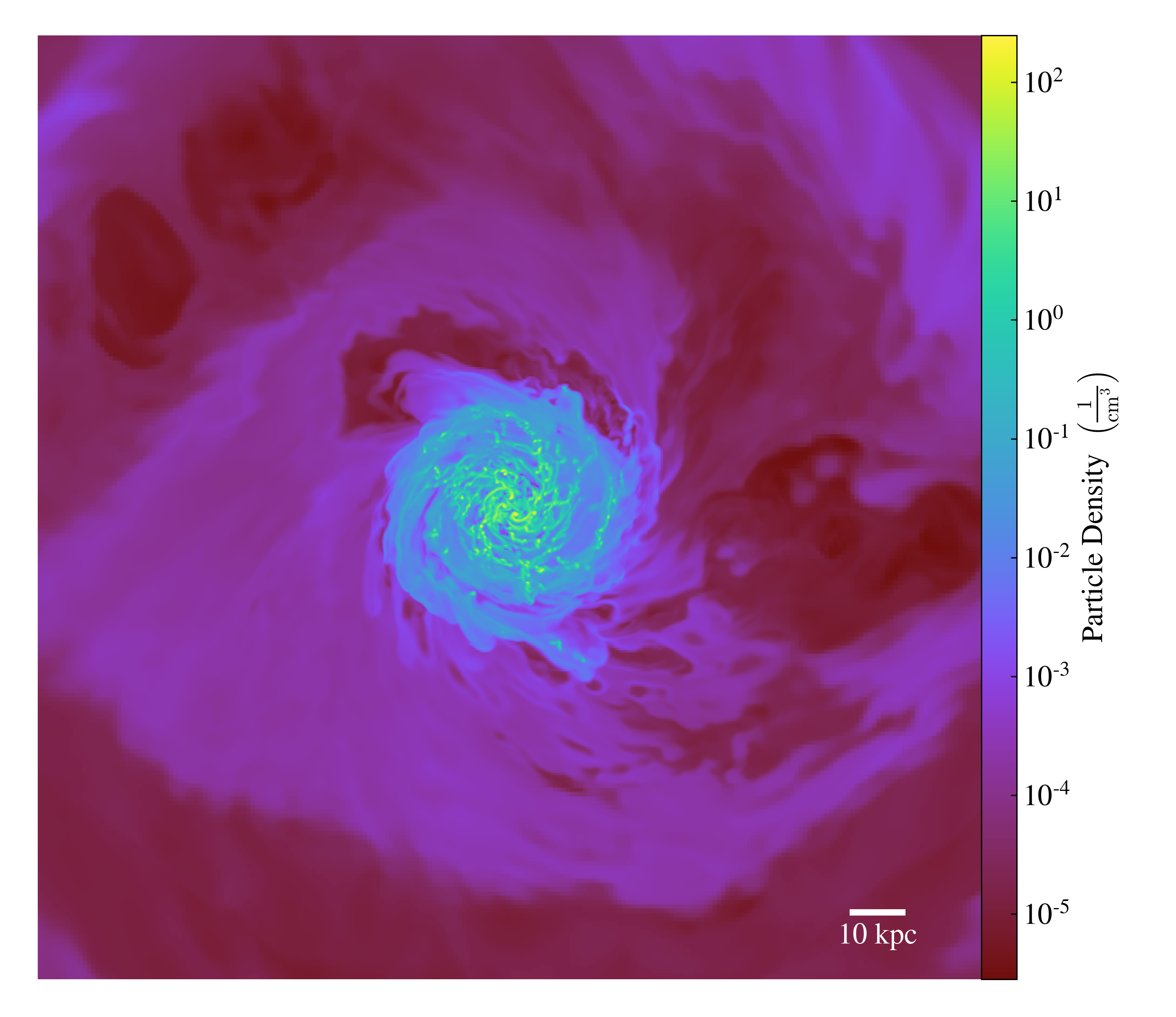
A slice through the midplane of a simulated galaxy with colors representing gas density, increasing from less in deep purple to more in yellow, and lines tracking gas flow velocity. Brighter colors indicate higher speeds. The scale bar signifies size in thousands of parsecs. Each parsec is about 3.26 light years, or more than 19 trillion miles. Credit: Claire Kopenhafer
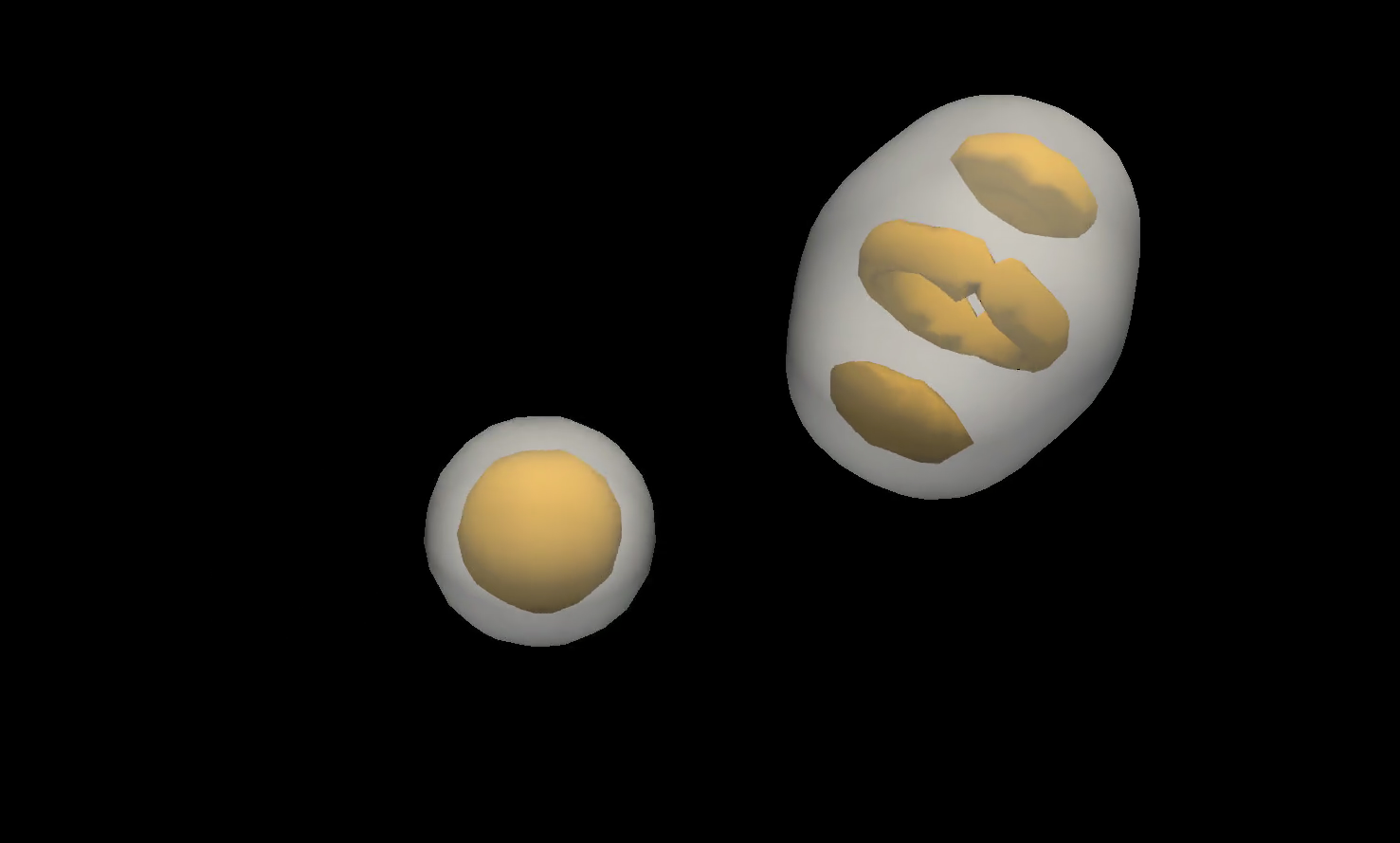
At the Facility for Rare Isotope Beams, we study the basic properties of the nuclei through many different methods. As a computational theorist, our main instruments are the many powerful computers hosted at ICER and around the world. By taking advantage of the latest computing technology, we can perform massive calculations where we directly simulate nuclear systems as they evolve in time. In this example we are simulating the collision of two rare isotopes that could potentially lead to the creation of a 'superheavy nucleus' -- a new element that sits far from the everyday material we might find on earth. Credit: Kyle Godbey
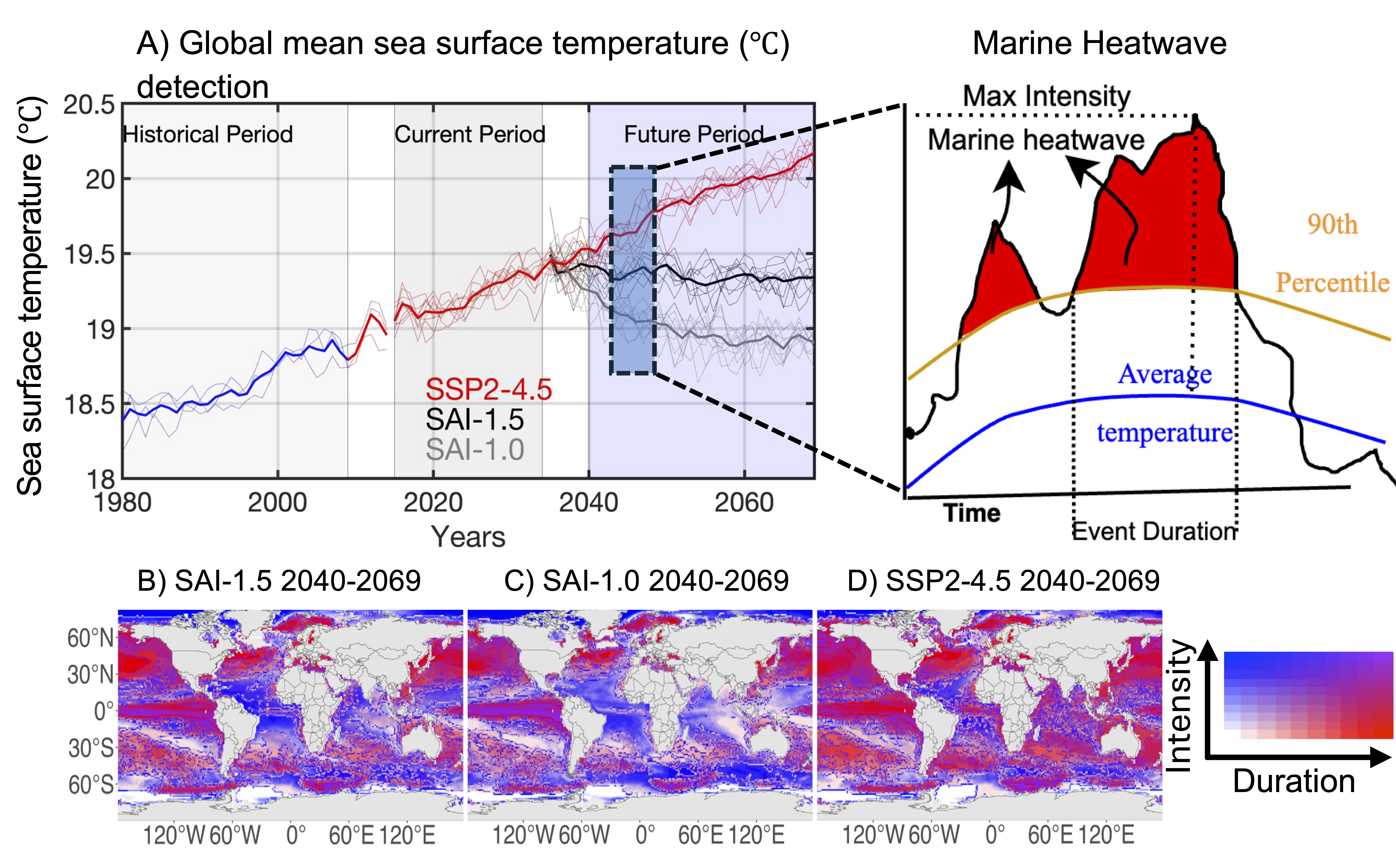
Frugivores (mammals and birds who eat fruit) provide important ecosystem functions including seed dispersal. The figures show functional diversity (FD) levels for frugivorous mammals and birds, across the Neotropical Andes vs. only inside protected areas. Our analysis reveals that functional diversity is not adequately protected in existing protected areas. Credit: Phoebe Zarnetske
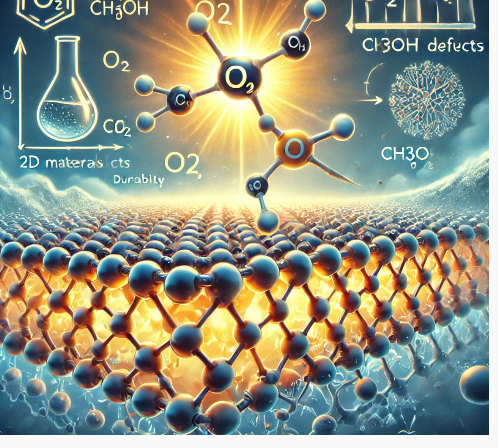
The amount of hydrogen fuel (white atoms) that can be stored at the same temperature and pressure conditions inside a tank (gray) is much larger when using porous materials: left; tank without porous material, right; tank with the designed porous material. Credit: Jose Mendoza
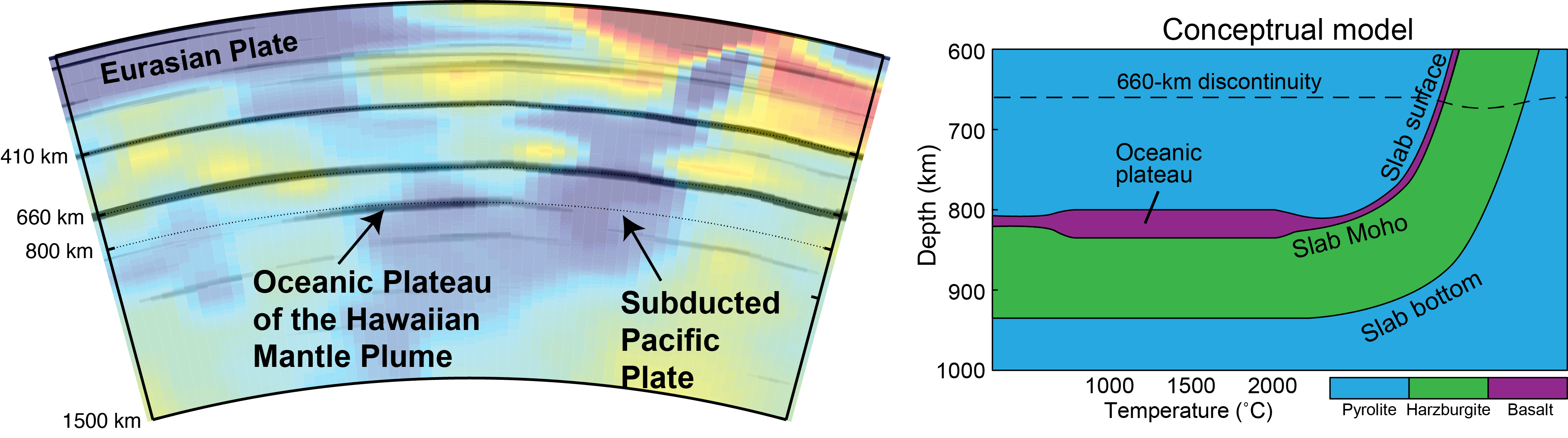
The journey of Hawai’i islands/seamounts from its creation at the mantle plume to where it slipped under the Pacific plate and sunk deep into the Earth's mantle. Credit: Songqiao Wei
Learn more about the research enabled by ICER by visiting ICER's Research Highlight page.