2026 Cloud Computing Foundations Program Empowers Researchers Through Hands-On Learning
As modern science generates ever-larger datasets, cloud computing has become a necessary tool for storing, managing, and analyzing research data. Yet some researchers lack the hands-on experience and expert guidance needed to excel at using these powerful tools effectively. MSU’s Institute for Cyber-Enabled Research (ICER) and MSU IT Services have addressed this need through the Cloud Computing Foundations Program, helping researchers build the skills and confidence to harness cloud computing in their work since 2019.
This annual collaboration invites MSU graduate students and post-doctoral researchers to open new doors in research through hands-on exposure to cloud computing. The cross-disciplinary program, facilitated by ICER Academic Specialist Mahmoud Parvizi, Ph.D., and ICER Staff Member Pat Bills, aims to introduce academic researchers to a variety of cloud computing resources that can drastically streamline their workflow.
“Available cloud computing training programs require a level of IT professional literacy that most researchers don’t have the means, the need, or the time to acquire.” Bills explains. The Cloud Computing Foundations Program simplifies the process with a semester of guided training followed by a semester of hands-on project work with one-on-one mentorship.
Fatemeh (Jana) Yousefsabar, a graduate student in the College of Natural Science, became interested in cloud computing after she attended an ICER workshop on generative AI. “That workshop introduced me to the possibilities of using cloud-based tools in a research setting,” says Yousefsabar.
Within the program, Yousefsabar has built the cloud-based research tool Gene Pathway Intelligence (GPI), which helps researchers easily identify genes with links to neurodegenerative diseases. GPI pulls from multiple biological databases, allowing researchers to submit their biological queries and receive relevant genes and supporting evidence to conduct further research.
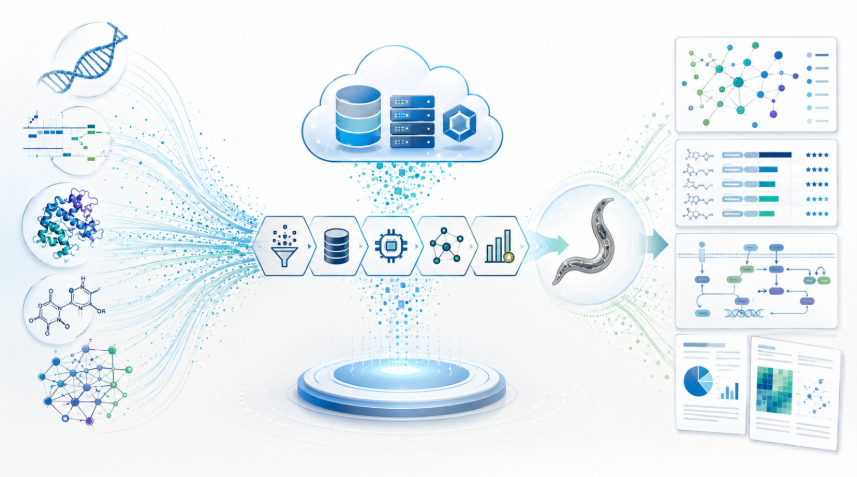
Beyond her work in the developmental process of GPI, the program gave Yousefsabar hands-on experience in creating cloud-based research methods using industry-standard Amazon Web Services (AWS) tools that have improved her data collection workflows. The program has helped foster a deeper understanding of the role researchers play in the creation of complex computing software that aids in the advancements of scientific discoveries. “It helped me see that I am not only generating biological data, but I can also build infrastructure that makes biological discovery more systematic and scalable. That was very empowering.”
Maral Rahim Soroush, a graduate student in the Department of Chemistry, joined the program after seeing a need to gain practical skills when handling large volumes of scientific data. “As a Ph.D. student in electrochemistry, I generate substantial cyclic voltammetry (CV) and related data, and I need a better way to store, organize, and analyze it,” Rahim Soroush says.
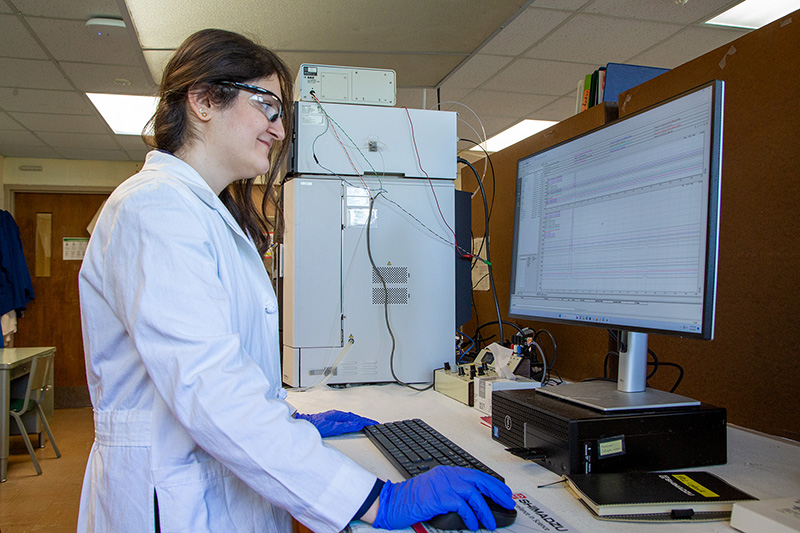
A small machine learning model was used to begin recognizing key electrochemical features and visualize the data, and the next phase will train a larger system to better visualize and predict electrochemical behavior. Because cyclic voltammetry is foundational across many fields, the same approach can extend to applications such as energy storage and conversion, electrocatalysis, corrosion monitoring, and chemical and biological sensing supporting the discovery and design of new materials and technologies.
“The project also showed me that modern cloud tools are not only for big tech companies; they are powerful tools for scientific research and for the next generation of Ph.D. students,” says Rahim Soroush. The Foundations program gave her confidence in combining traditional lab work with advanced computing mechanics. “It clarified a long-term path toward building a sustainable, shareable research platform.”
Wei Ting Tan, a Ph.D. student in Biomedical Engineering, joined the Cloud Computing Foundations Program out of a desire to gain more technical skills in an unfamiliar field of study. As part of the program, she studied how quantum computers and artificial intelligence help identify molecules that can stick to disease-causing proteins often seen as “undruggable.” Her project explores how quantum computing can be implemented in medical research through identifying patterns in complex molecular data. The program allowed her to dig deeper into technology that has not yet been explored by MSU researchers while gaining valuable, transferable skills in cloud computing.
Pranjal Singh, a graduate student in the Department of Physics and Astronomy, had no prior experience in cloud computing, but the program “seemed like a great opportunity to learn with a hands-on approach.” The personalized guidance from program mentors allowed Singh to maintain complete control and agency over her machine learning project.
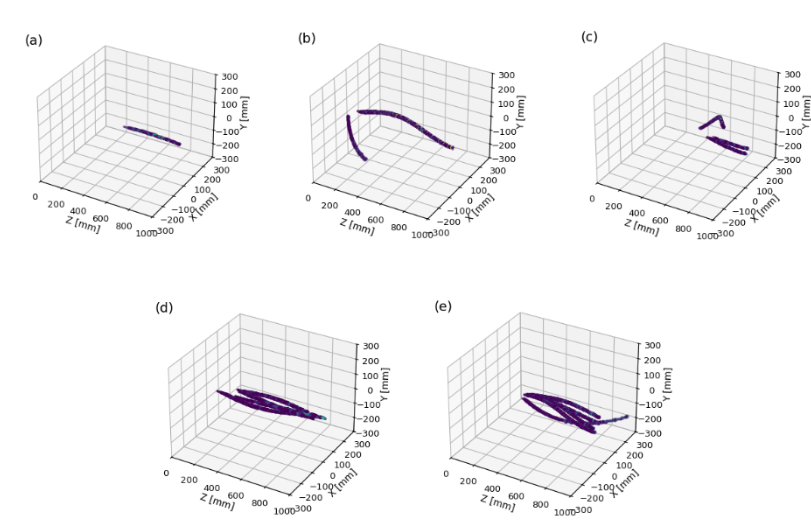
Singh’s work involved exploring how AWS and GPU resources could improve machine learning performance through a cost-benefit analysis of different computing methods. With an emphasis on diversifying her professional skill set in cloud computing, she has “gained a novel understanding of how computational resources are planned for and allocated under a budget.”
Since its conception, the MSU Cloud Computing Foundations Program has introduced graduate level researchers to the multitude of opportunities that cloud computing can offer.
“We've had many past participants reach out to us to say they were more effective in their work, published a paper, or landed a job due to this program,” says Bills. From quantum computing to generative AI implementations, the program is continually adapting to the ways in which these technologies can improve research outputs and scientific communication in truly meaningful ways.